The French Hotel Selection Masterplan: Sophisticated Stays, Smart Locations & Exceptional Comfort Across France
The French Hotel Selection Masterplan: Sophisticated Stays, Smart Locations & Exceptional Comfort Across France
Choosing a hotel in France is not simply a matter of finding an attractive room. The best accommodation decisions combine location, comfort, design, transportation, neighborhood character, room functionality and the purpose of the journey into one coherent travel strategy.
France offers an extraordinary variety of hotel experiences. Travelers can choose from elegant urban residences, contemporary boutique properties, historic buildings, Mediterranean retreats, countryside hotels and practical city accommodation. Each type can be excellent when it matches the right itinerary.
This professional guide provides a structured approach to hotel selection across France, with particular attention to Paris, Nice, Lyon, Marseille and the French countryside. It examines the features that genuinely influence a stay and explains how travelers can evaluate them before making a reservation.
1. Begin With the Journey, Not the Hotel
The first mistake in accommodation planning is starting with hotel photographs before understanding the trip itself. Beautiful images can immediately create an emotional preference, but the most attractive property may not be the most useful base for the itinerary.
Before comparing Hotels & Resorts in France, write down the major activities planned for the trip. Identify museums, historic districts, restaurants, beaches, business meetings, train stations, airports, shopping areas and day trips.
Once those locations are clear, the hotel search becomes much easier. Instead of asking which hotel looks best, you can ask which property minimizes unnecessary travel while delivering the level of comfort and atmosphere you want.
This approach is particularly effective for multi-city trips. Each hotel can serve a different purpose. One may provide easy airport access, another may be positioned for cultural exploration, and another may offer a peaceful environment for relaxation.
Define the itinerary first, then choose the accommodation. The hotel should support the trip rather than forcing the trip to adapt to the hotel.
2. Location Is a Daily Convenience Multiplier
Hotel location influences nearly every day of a vacation. A strategically positioned property can save time in the morning, simplify evening plans and make spontaneous exploration much easier.
Travelers should not judge location simply by distance from the geographical center of a city. What matters is proximity to the places that actually appear on the itinerary.
A hotel near a major transportation connection may be more useful than one that appears closer to a landmark but requires several transfers. Similarly, a property near restaurants can be more valuable to a couple who plans to dine out every evening than a hotel with a larger room but no convenient neighborhood amenities.
When selecting a hotel, estimate the time required to reach the most frequently visited destinations. Repeated travel of twenty or thirty minutes each way can add up quickly over several days.
Location Questions
- Which neighborhood will reduce daily travel?
- Is public transportation easy to reach?
- Are restaurants and cafés available nearby?
- Will the neighborhood remain convenient in the evening?
- How easy is the route from the airport or train station?
- Will the hotel work for the final departure day?

3. Paris Requires a Neighborhood-First Strategy
Paris is one of the clearest examples of why neighborhood selection matters. Different areas offer different combinations of architecture, dining, shopping, cultural attractions and transportation.
When choosing a Hotel in Paris, identify the activities that will occupy most of the day. A museum-focused itinerary may favor a different location from a shopping trip, while a business stay may prioritize transport connections.
Travelers should also consider whether they prefer an energetic environment or a quieter residential atmosphere. Some visitors enjoy stepping directly into busy streets, while others prefer returning to a calm neighborhood after a long day.
The best location is therefore highly personal. What matters is whether the area supports the traveler's rhythm.
4. The Hotel Should Work at Different Times of Day
A hotel can appear perfect during a daytime visit and feel completely different at night. Professional hotel selection considers the property and its surroundings throughout the entire day.
Morning convenience matters because travelers often have limited time before sightseeing. Afternoon convenience matters when guests want to rest. Evening convenience matters because dinner and entertainment can extend late into the night.
Consider the walk from public transportation to the hotel after dark, the availability of restaurants, the atmosphere of nearby streets and the ease of returning after an evening activity.
This does not mean that one type of neighborhood is universally preferable. It means that travelers should choose deliberately rather than discovering the neighborhood only after arrival.
5. Airport Strategy Can Improve the Final Day
Airport planning deserves special attention because arrival and departure days often involve luggage, fixed schedules and reduced flexibility.
Travelers arriving through Paris Charles de Gaulle Airport (CDG) should consider the transfer route before confirming accommodation. A hotel with a simple connection can make a significant difference after a long flight.
The same logic applies to departure. When a flight leaves early, a hotel that simplifies the final transfer can be extremely practical.
This is particularly relevant for travelers combining Paris with other French destinations. The final hotel should be selected with the onward journey in mind, not only the sightseeing plans for the previous day.
6. Room Category Names Do Not Tell the Whole Story
Hotels use terms such as Classic, Superior, Deluxe, Executive, Premium and Suite, but these categories are not standardized across every property.
A room called Deluxe at one hotel can be smaller than a Superior room at another. Travelers should therefore compare actual measurements and features whenever possible.
| Room Factor | What to Check | Why It Matters |
|---|---|---|
| Size | Actual floor area | Indicates usable space |
| Bed | Dimensions and configuration | Directly affects sleep |
| Windows | Size and orientation | Influences daylight and atmosphere |
| Bathroom | Shower, bath and storage | Affects daily convenience |
| Storage | Wardrobe and drawers | Keeps the room organized |
| Desk | Surface, chair and outlets | Important for working |
| Seating | Chair, sofa or bench | Useful for longer stays |
Paying more should therefore be justified by tangible benefits rather than the room label alone.
7. Functional Design Is More Valuable Than Decoration Alone
A hotel room can be visually impressive while still being inconvenient. The strongest room designs combine attractive materials with efficient circulation and thoughtful placement of furniture.
Guests should be able to move naturally between the entrance, bed, bathroom, wardrobe and seating area. Luggage should have a logical location. Bedside outlets should be accessible. Lighting controls should be easy to operate.
These details may seem insignificant when browsing quickly, but they become highly noticeable after several nights.
The Practical Three-Zone Room
A useful room can be understood as three connected zones: sleeping, preparation and living or working. The sleeping area should feel calm. The preparation zone should include the bathroom and wardrobe. The third zone should provide a place to sit, read or work.
Even relatively compact rooms can feel comfortable when these functions are organized clearly.
8. Natural Light Is a Major Design Advantage
Natural light changes the perception of space. Large windows can make a room feel more open, while well-positioned windows can create attractive views and improve the atmosphere throughout the day.
Travelers should inspect photographs for window size, curtain design and furniture placement. A room may technically have a window but still feel dark if the opening is small or heavily obstructed.
Natural light can be particularly important in Mediterranean destinations, where bright interiors often complement the surrounding landscape.
9. Nice: Accommodation Designed Around Light and Lifestyle
Nice presents a hotel environment very different from Paris. The Mediterranean setting encourages travelers to think about light, balconies, outdoor spaces, views and proximity to the waterfront.
When selecting a Hotel in Nice, determine whether the main purpose is sightseeing, relaxation, coastal exploration or a combination of these.
A guest who plans to spend most of the day outside may prioritize location and transportation. A traveler planning slow mornings and long afternoons may place greater emphasis on balconies, room size and views.

Nice is also a practical base for regional exploration. Travelers may combine the city with nearby destinations, coastal communities and inland landscapes. For itineraries involving several locations, Car rentals in Nice may be considered alongside rail and other transportation options.
10. Mediterranean Rooms Benefit From Visual Simplicity
Coastal interiors often work particularly well when they emphasize light, space and natural textures. Neutral bedding, wood, linen, pale walls and simple furniture can create a calm atmosphere.
However, visual simplicity should not be confused with minimal functionality. A beautiful room still needs storage, comfortable seating, useful lighting and a practical bathroom.
The strongest Mediterranean interiors combine simplicity with enough detail to create personality.
11. Lyon: Hotel Selection for Culture, Food and Efficient Travel
Lyon offers an interesting combination of historic architecture, culinary culture, business activity and modern urban convenience.
Travelers researching Hotels in Lyon should first decide what kind of stay they are creating. Food-focused travelers may prioritize restaurants and walkability. Business travelers may prioritize transportation and workspace. Longer-stay guests may want a quieter neighborhood and additional room functionality.
Historic buildings can be especially appealing in Lyon because they can connect the accommodation with the city's architectural character.
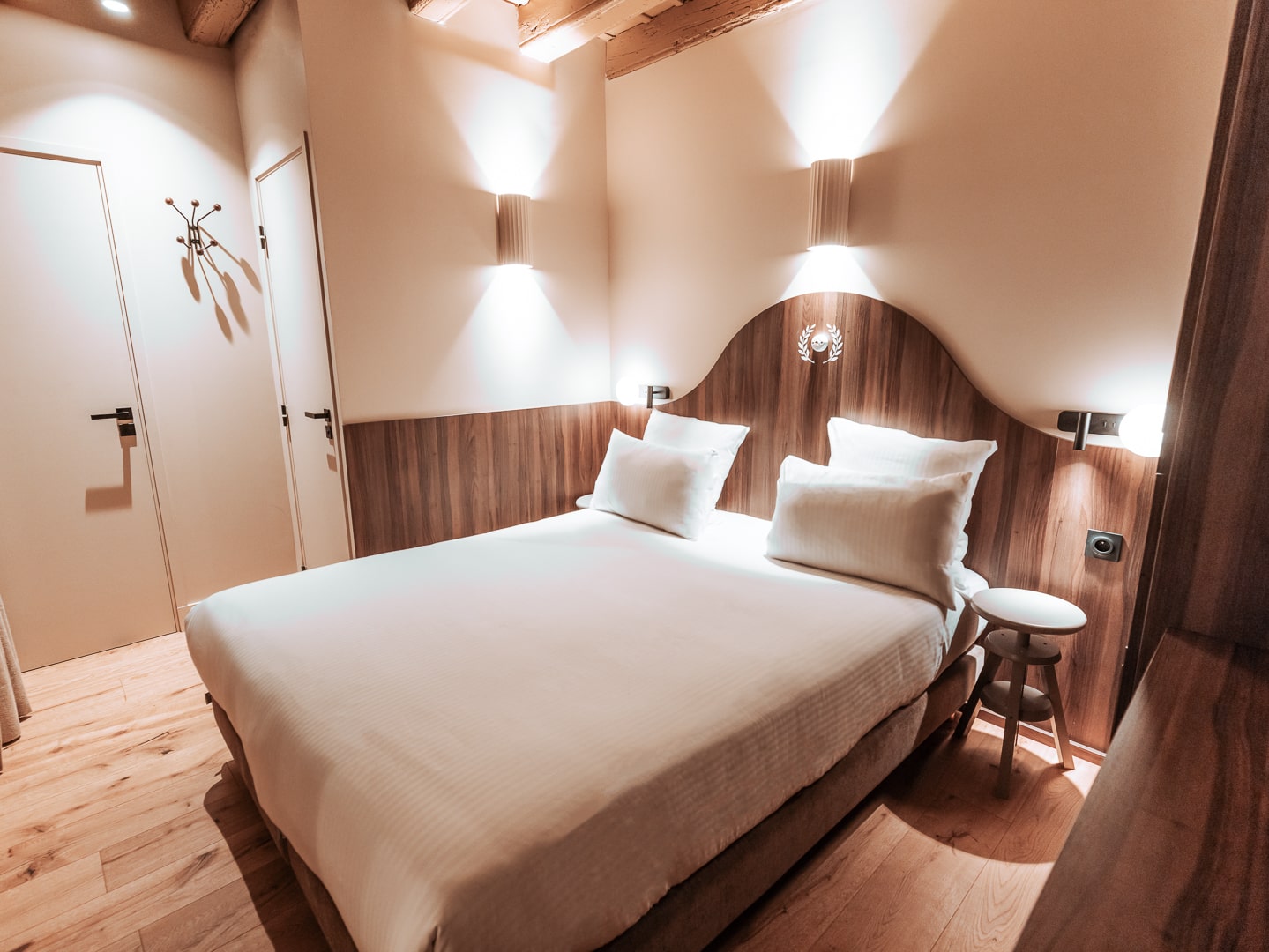
The room shown here demonstrates how wood, warm lighting and restrained decoration can create a refined environment without overwhelming the guest.
12. Historic Hotels Need a Practical Inspection
Historic architecture can provide a sense of place that modern construction cannot easily reproduce. Original beams, stonework, traditional windows and decorative details can make the hotel memorable.
At the same time, travelers should check practical matters carefully. Historic properties may have unusual layouts, smaller elevators, stairs, different room shapes or older structural elements.
Before booking, confirm accessibility, air conditioning or heating, bathroom renovation, electrical outlets and room dimensions.
Smart principle: Let historic character add personality without allowing it to compromise essential comfort.
13. Marseille: Combining Urban Energy With Mediterranean Character
Marseille has its own accommodation identity. The city combines port culture, historic streets, contemporary development, coastal scenery and strong local character.
When comparing Hotels in Marseille, decide whether the priority is urban exploration, waterfront access or a mixture of both.
Room orientation can become particularly important. A room with natural light and an attractive outlook may feel considerably different from one facing an enclosed interior space.
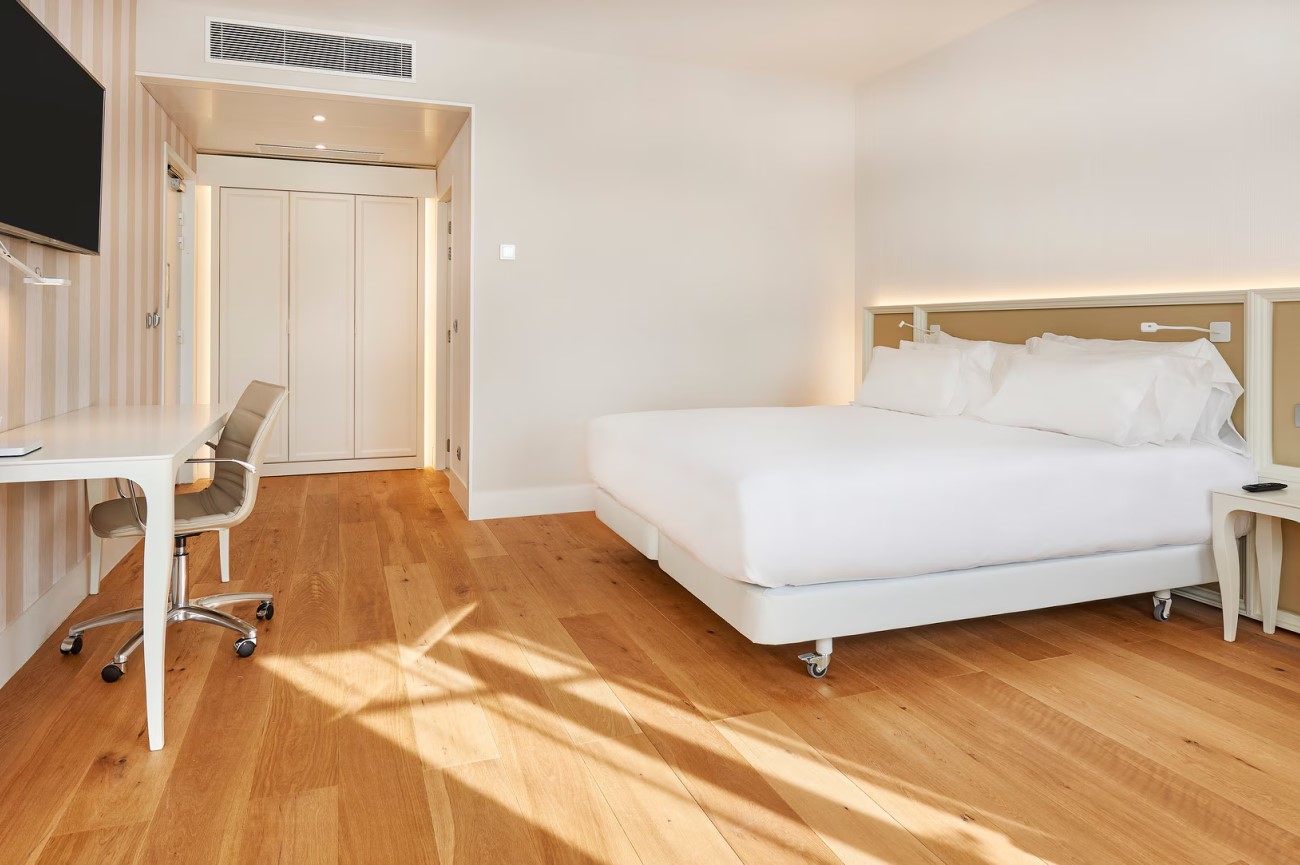
Travelers planning to explore outside the central districts should also consider parking and road access. A hotel that is excellent for a pedestrian itinerary may not be equally convenient for a road trip.
14. The French Countryside Creates a Different Hotel Experience
In the countryside, the property itself can become part of the destination. Gardens, terraces, landscapes, architecture and regional materials may matter as much as transportation.
Travelers choosing a rural property should therefore expand their evaluation beyond the bedroom. Look at outdoor areas, dining options, surrounding scenery, privacy and opportunities for relaxation.
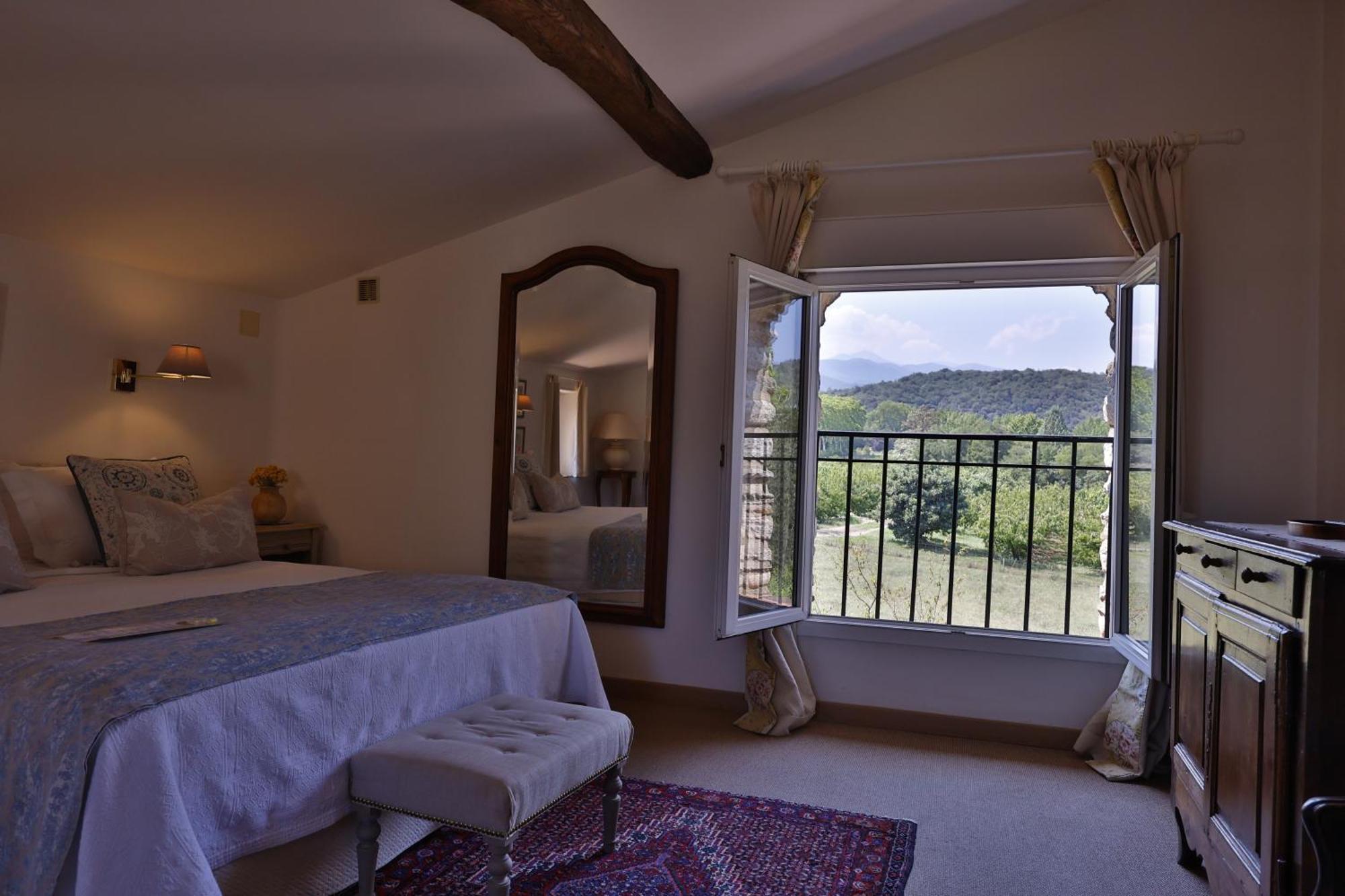
A countryside stay can provide a valuable contrast to the intensity of Paris or the urban atmosphere of Lyon and Marseille.
15. Transportation Should Be Included in the Hotel Budget
Travelers often compare hotel prices without considering transportation. This can create misleading conclusions.
A cheaper hotel may require multiple daily transfers. A more expensive central property may reduce those costs and save valuable time.
For road trips, the calculation changes again. Parking, vehicle access and proximity to highways become important.
Travelers considering Car rentals in France should build the driving plan before choosing accommodation. The best hotel for a pedestrian city itinerary may be inconvenient for someone traveling with a car.
16. Sleep Quality Should Be Treated as a Core Feature
Hotel guests spend a significant portion of every trip sleeping. Yet sleep quality is sometimes overlooked because it is less visually exciting than design or facilities.
Look for information about mattresses, pillows, blackout curtains, street noise, corridor noise and climate control.
Central hotels can be convenient but may face busy roads, restaurants or nightlife. Courtyard-facing rooms may be quieter, although they may not provide the most impressive view.
Sleep Checklist
- Check recurring comments about noise.
- Look for blackout curtains.
- Consider the room's location within the building.
- Check whether windows appear substantial enough for sound control.
- Review air-conditioning or heating information.
- Look for comments about mattress comfort.
17. Bathrooms Are Part of the Guest Experience
The bathroom should be evaluated as carefully as the bedroom. Travelers use it every day, and its design can strongly influence the practical comfort of a room.
Check shower size, storage, mirror lighting, counter space, ventilation and towel placement.
Families may appreciate bathtubs and larger counters. Business travelers may prioritize bright mirrors and efficient preparation space. Long-stay guests may value storage above decorative details.
The best bathrooms combine clean design with logical functionality.
18. Lighting Determines How a Room Feels at Night
Hotel lighting should serve different activities. Guests may need bright light for preparation, focused light for reading, and softer ambient illumination for relaxing.
Rooms with multiple lighting sources often feel more refined because guests can create the atmosphere they want.
Bedside lighting is particularly important. Controls should be easy to reach and ideally available on both sides of the bed.
19. Storage Is One of the Most Underrated Features
Storage becomes increasingly important as the length of the trip increases. A room that feels perfectly adequate for one night can become frustrating after a week if clothing, luggage and personal items have nowhere to go.
Look for wardrobes, drawers, luggage benches and useful surfaces. Travelers should also consider whether suitcases can remain accessible without blocking walking paths.
Good storage contributes to visual calm because it prevents everyday items from dominating the room.
20. The Modern Hotel Workspace
Many travelers now combine professional responsibilities with leisure. Even during a vacation, guests may need to answer emails, confirm reservations, join a short meeting or organize the next day.
A useful workspace needs a comfortable chair, sufficient desk depth, good lighting and convenient outlets.
Travelers should verify that the desk shown in photographs belongs to the exact room category they intend to book. A suite may have a dedicated office while a standard room may not.
21. Hotel Amenities Should Be Evaluated According to Use
Long amenity lists can look impressive, but not every feature contributes equally to every trip.
| Feature | Potential Benefit | Most Relevant To |
|---|---|---|
| Breakfast | Convenient start to the day | Families and busy itineraries |
| Parking | Simplifies driving | Road travelers |
| Workspace | Supports professional tasks | Business travelers |
| Pool | Adds relaxation | Resort-oriented stays |
| Fitness Room | Maintains exercise routines | Long stays |
| Luggage Storage | Improves arrival flexibility | City travelers |
| Laundry | Reduces packing pressure | Long trips |
| 24-Hour Reception | Supports flexible arrival | Late travelers |
Choose amenities according to what you will actually use rather than what looks impressive in promotional material.
22. Breakfast: Convenience Versus Local Discovery
Hotel breakfast can simplify a busy morning, especially for families or travelers with early activities. But it is not always the best option.
Travelers who enjoy local cafés and bakeries may prefer exploring the neighborhood. Guests with early departures may not have time to use a standard breakfast service.
Before paying extra for breakfast, consider the actual schedule and the availability of alternatives nearby.
23. Boutique Hotels and the Value of Character
Boutique hotels often distinguish themselves through personality. Individual rooms may feature unique furniture, local artwork, unusual materials or restored architectural details.
This can create a stronger emotional connection with the destination.
However, travelers should verify practical details because smaller properties may have fewer standardized facilities. Confirm reception hours, elevators, room dimensions, luggage arrangements and transportation.
24. Large Hotels and the Advantage of Predictability
Larger hotels often provide extensive services, multiple room categories, restaurants, fitness facilities and more standardized operations.
This can be useful for families, business travelers, conferences and guests who value predictable infrastructure.
The trade-off can be a less intimate atmosphere. Travelers should therefore decide whether extensive facilities or individual character is more relevant to the trip.
25. Reading Hotel Reviews With Greater Accuracy
Reviews are valuable when treated as data rather than as absolute verdicts. One person's experience can be highly subjective, while repeated comments across many stays may reveal a consistent pattern.
Look for recurring observations about cleanliness, noise, room size, service, breakfast, location and maintenance.
Also consider the reviewer's travel context. A traveler who spends twelve hours outside the hotel may care less about a small room than someone working from the property all afternoon.
Professional review method: Separate factual observations from personal preferences. Use repeated factual patterns as stronger evidence than isolated opinions.
26. Hotel Selection for Couples
Couples often value privacy, atmosphere, comfortable beds, attractive lighting, views and convenient evening access to restaurants.
A romantic hotel does not need excessive decoration. A quiet room, beautiful architecture, a balcony or a well-positioned neighborhood can be enough to create a memorable experience.
The journey outside the hotel matters as much as the room. Couples should consider whether dinner, evening walks and cafés are easily accessible.
27. Hotel Selection for Families
Families should begin with room configuration. Determine whether children can sleep comfortably and whether the adults have sufficient space to move around without constantly reorganizing luggage.
Storage becomes particularly valuable because family travel often involves more belongings. Bathrooms should also be evaluated carefully.
Nearby supermarkets, pharmacies, transportation and breakfast options can reduce the logistical burden of family travel.
28. Hotel Selection for Business Travelers
Business travelers benefit from efficiency. The hotel should minimize unnecessary travel and provide the infrastructure required to work comfortably.
Internet quality, desk design, chair comfort, outlets, quietness, breakfast timing and transport connections should all be examined.
A smaller hotel with an excellent location and strong workspace can be more useful than a large property filled with facilities that the traveler never uses.
29. Long-Stay Accommodation Requires a Different Standard
Long stays reveal weaknesses that short visits may hide. Storage limitations, poor lighting, uncomfortable chairs and small bathrooms become increasingly noticeable over time.
For extended stays, travelers should prioritize livability. The room should function as a temporary home rather than merely a sleeping compartment.
Laundry, refrigerator access, workspace, seating and neighborhood services can all become important.
30. Parking Should Be Confirmed Before Arrival
Travelers should never assume that a hotel offers convenient parking simply because it advertises parking.
Check whether spaces are on-site, nearby, reserved or public. Confirm fees and whether the parking structure is suitable for the size of the vehicle.
Parking can significantly alter the real cost and convenience of a hotel, especially in major cities.
31. Building a Multi-City French Itinerary
A multi-city itinerary works best when each destination offers a different type of experience.
Paris can provide metropolitan culture and architecture. Lyon can focus on food and historic districts. Marseille can add Mediterranean energy. Nice can create a slower coastal rhythm. The countryside can offer a restorative change of pace.
The hotels should support those differences rather than attempting to replicate the same environment everywhere.
32. The Hotel as a Strategic Base
Travelers do not always need to change hotels every night. Staying several nights in one location can reduce packing and unpacking while allowing deeper exploration.
A strategic base should have good transportation, comfortable rooms, useful neighborhood services and enough amenities for the length of the stay.
This approach can make longer French journeys feel less rushed.
33. Evening Convenience Matters
Neighborhood research should not stop at daylight hours. Travelers should consider the evening environment as well.
Are restaurants open nearby? Is public transportation available? Is the walk back to the hotel straightforward? Does the neighborhood remain lively or become extremely quiet?
These questions are particularly important for solo travelers and couples planning late dinners or evening activities.
34. Designing the Day Around the Hotel
A well-located hotel can support a more flexible itinerary. Guests can explore in the morning, return for a rest, and continue sightseeing in the evening.
This can be especially valuable during long trips when continuous sightseeing becomes tiring.
Hotels with comfortable lounges, balconies, gardens or wellness facilities can encourage travelers to slow down rather than treating every day as a race between attractions.
35. Rural Hotels and the Value of the Surrounding Landscape
Country properties often create their strongest impression through their environment. Gardens, vineyards, forests, fields, stone buildings and terraces can all contribute to the experience.
When evaluating rural accommodation, look beyond the bedroom. Consider the grounds, dining, outdoor spaces, privacy and nearby activities.
A countryside hotel can become the destination itself, especially when the goal is relaxation rather than intensive sightseeing.
36. Premium Design Is Often About Restraint
High-quality hotel interiors do not necessarily require excessive ornamentation. Premium design often comes from proportion, material quality, lighting and consistency.
Wood, stone, linen, textured fabrics, metal accents and carefully selected furniture can create a refined atmosphere without visual overload.
The most successful designs make the room feel intentional rather than decorated simply for photographs.
37. Color Should Support the Mood
Neutral colors are popular in hotels because they can create calm surroundings, but successful interiors can also use deeper tones or regional colors.
A Mediterranean property may use pale blues and natural textures. A Parisian room may combine cream, charcoal and classic wood. A contemporary Lyon hotel might use stronger architectural colors.
The important factor is balance. Color should enhance the room without overwhelming it.
38. Technology Should Simplify the Stay
Modern hotel rooms may include digital controls, smart televisions, USB charging, mobile keys and automated lighting.
Technology is most valuable when it makes simple tasks easier. Guests should not need lengthy instructions to turn on a light or adjust the room temperature.
The best technology supports comfort quietly in the background.
39. Sustainability Can Be Part of Hotel Selection
Travelers increasingly consider environmental practices when choosing accommodation. Look for concrete information about energy, water, waste, housekeeping, local sourcing and resource management.
Sustainability can also be supported through personal choices such as using public transportation, walking where practical, reducing unnecessary laundry and supporting local businesses.
40. Accessibility and Building Layout
Accessibility should be verified before booking. Travelers with mobility requirements should confirm elevators, entrances, room dimensions and bathroom arrangements.
Even travelers without specific accessibility needs should consider stairs and elevators when traveling with heavy luggage.
A charming historic building without a convenient elevator can be less practical for some guests than a modern property with straightforward access.
41. Check-In and Check-Out Are Part of the Experience
Efficient arrival procedures can make a substantial difference, especially after a long journey.
Confirm reception hours, check-in times, late-arrival procedures and luggage storage. On departure day, determine whether the hotel can hold luggage after check-out.
These practical details can save hours of uncertainty.
42. View Versus Quietness
A beautiful view can be a major attraction, but travelers should understand the trade-off. Street-facing rooms may provide impressive city scenery while also being exposed to traffic and activity.
Courtyard-facing rooms may offer greater tranquility but less visual excitement.
Decide which characteristic matters more for the type of trip being planned.
43. Hotel Photography Requires Careful Reading
Professional photography can make rooms look larger and brighter than they feel in person. Wide-angle images can exaggerate the amount of floor space, while careful staging can hide practical limitations.
Use images to understand the design and layout, but combine them with room dimensions, written descriptions and reviews.
Most importantly, verify that the photograph represents the exact room category being reserved.
44. Compare Total Value Instead of Nightly Price
A hotel should be evaluated according to the complete cost of the experience.
| Cost Category | Question to Ask |
|---|---|
| Room | What is the actual nightly rate? |
| Breakfast | Is it included? |
| Parking | Is there an additional daily fee? |
| Transportation | How much will daily travel cost? |
| Airport Transfer | How convenient is arrival? |
| Taxes and Fees | Are there additional charges? |
| Time | How much commuting will be required? |
Time itself has value. Saving an hour of unnecessary travel every day can meaningfully improve a short holiday.
45. Hotel Priorities Change With Trip Length
For one or two nights, location may be the dominant factor because convenience is crucial.
For several nights, room comfort and neighborhood quality become more significant.
For extended stays, storage, workspace, laundry, breakfast flexibility and room livability should receive greater attention.
Therefore, a hotel that works brilliantly for a weekend may not be the best choice for a two-week journey.
46. Build a Shortlist Instead of Comparing Everything
Professional decision-making becomes easier when the shortlist is small. Start with several properties that satisfy the essential requirements, then eliminate those that fail on location, room configuration or budget.
Compare the remaining hotels according to experience, comfort, transportation, design and total value.
The goal is not to know every hotel in a city. The goal is to identify a small group of properties that genuinely fit the trip.
47. The Professional Room Inspection
- Check the actual room dimensions.
- Review the bed configuration.
- Inspect the natural-light situation.
- Look at luggage placement.
- Check wardrobe capacity.
- Review electrical outlet positions.
- Evaluate the desk if working.
- Check bathroom storage.
- Look for blackout curtains.
- Review noise-related comments.
- Check heating and cooling.
- Verify the exact room category.
48. Romantic French Travel and Hotel Atmosphere
Romantic travel benefits from accommodation that feels connected to the destination.
In Paris, couples may prefer elegant neighborhoods and easy access to evening dining. In Nice, balconies, natural light and coastal surroundings can contribute to the atmosphere. In Lyon, historic architecture and restaurants may be central to the experience. In the countryside, privacy and landscape may become the defining characteristics.
The hotel should complement the journey rather than dominate it.
49. Cultural Travel Requires Strategic Positioning
Cultural travelers often spend long days walking between museums, galleries, monuments and historic districts.
A hotel with efficient transportation access can reduce unnecessary commuting. Quietness is also valuable because guests need genuine rest after intensive sightseeing.
Room comfort becomes especially important when the itinerary is physically demanding.
50. Gastronomic Travel and Neighborhood Selection
Travelers visiting France for food should evaluate the surrounding dining environment as carefully as the hotel restaurant.
Walkability, restaurant density, local bakeries and evening accessibility can all influence the experience.
Lyon can be especially interesting for food-focused travel, while Paris, Marseille and Nice each offer distinct culinary environments.
The hotel does not necessarily need a large restaurant if excellent options are available within easy walking distance.
51. Road Trips Need a Separate Hotel Checklist
Road travelers should prioritize parking, road access, luggage convenience, check-in flexibility and proximity to the next destination.
Central city hotels may create parking challenges, while properties outside the center may require additional transport.
The best option depends on whether convenience of driving or convenience of sightseeing is the higher priority for the specific itinerary.
52. Turning a Hotel Room Into a Comfortable Temporary Home
Guests staying several nights can improve comfort through simple organization. Unpack frequently used clothing, place toiletries in practical locations, establish a small workspace and keep luggage organized.
Hotels with good storage make this process easier.
Maintaining familiar morning and evening routines can also help travelers remain comfortable during longer journeys.
53. Hotel Design Should Reflect the Destination
Memorable properties often acknowledge their surroundings without becoming overly themed.
Parisian interiors may emphasize classic proportions and refined materials. Nice hotels may use light and natural textures. Lyon properties can combine historic architecture with contemporary furniture. Marseille accommodation may emphasize Mediterranean simplicity.
The connection between hotel design and destination identity can make the stay feel more authentic.
54. What Makes a Hotel Feel Effortless?
The most comfortable hotels often feel effortless because guests do not have to think about basic tasks.
There is a place for the suitcase. Outlets are easy to reach. Lighting is intuitive. The bathroom has enough storage. The bed is comfortable. Transportation is straightforward.
This invisible convenience is one of the strongest signs of thoughtful hotel planning.
55. A Complete Hotel Comparison Framework
| Category | Evaluation Question | Priority |
|---|---|---|
| Location | Does it simplify the itinerary? | Very High |
| Sleep | Will the room support quality rest? | Very High |
| Room | Does the layout fit the trip? | Very High |
| Bathroom | Is it comfortable and practical? | High |
| Transportation | Can I reach it and move around easily? | High |
| Neighborhood | Does it suit the desired atmosphere? | High |
| Design | Does the room feel appealing? | Medium |
| Amenities | Will I actually use them? | Medium |
| Total Cost | Does the complete experience fit the budget? | Very High |
56. Frequently Asked Questions
What should I prioritize when choosing a hotel in France?
Begin with location, sleep quality, room comfort and transportation. Then evaluate design, amenities, breakfast and other features according to the purpose of the trip.
How do I choose the right hotel in Paris?
Start by mapping the itinerary. Choose a neighborhood that provides convenient access to the attractions, restaurants and transportation connections that matter most to the trip.
Is a central Paris hotel always the best option?
Not necessarily. A well-connected neighborhood outside the immediate tourist core may provide a better balance of transportation, restaurants, atmosphere and accommodation value.
What should I look for in a Nice hotel?
Consider location, access to the waterfront and historic districts, natural light, outdoor space, views, transportation and the amount of time you plan to spend at the property.
What makes Lyon accommodation distinctive?
Lyon offers properties ranging from contemporary city hotels to historic buildings. Travelers should choose according to their interest in food, architecture, business travel, transportation and neighborhood atmosphere.
What should I check when booking a Marseille hotel?
Review the neighborhood, access to the areas you want to explore, transportation, parking requirements, room orientation and recurring comments about noise.
Is a rental car necessary in France?
It depends on the itinerary. Cars can provide flexibility for countryside and multi-stop journeys, while central city trips may be easier with public transportation and walking.
How important is hotel room size?
Size matters, but layout matters too. A smaller room with efficient storage and comfortable circulation can feel more practical than a larger room with poor organization.
What makes a hotel room feel luxurious?
Comfortable bedding, quietness, layered lighting, quality materials, useful storage, a practical bathroom and an uncluttered layout often create a stronger sense of luxury than decoration alone.
Should I pay extra for a view?
A view can be valuable when guests plan to spend substantial time in the room. Compare the additional cost with the itinerary and determine whether the view will actually contribute to the experience.
How can I detect potential hotel noise?
Look for repeated comments about traffic, nightlife, elevators, corridors or thin walls. Multiple similar observations are more useful than a single isolated review.
Are hotel amenities more important than location?
The answer depends on the trip. Guests who spend most of the day sightseeing may value location more, while travelers spending significant time at the property may prioritize facilities.
What should families prioritize?
Families should examine room configuration, storage, bathrooms, elevator access, breakfast, transportation, nearby services and the availability of larger or connecting rooms.
What should business travelers prioritize?
Reliable internet, quiet rooms, comfortable workspaces, accessible outlets, transportation and efficient check-in procedures are usually important considerations.
What should long-stay travelers look for?
Storage, workspace, laundry access, comfortable seating, a practical bathroom, reliable climate control and a neighborhood with useful everyday services become increasingly important.
57. The Ultimate Pre-Booking Checklist
- Define the purpose of the journey.
- List the main destinations and activities.
- Identify the most practical neighborhood.
- Compare actual room dimensions.
- Check bed configuration.
- Review bathroom design.
- Evaluate natural light.
- Check storage.
- Review noise comments.
- Confirm internet availability.
- Check heating and cooling.
- Review breakfast options.
- Confirm parking if necessary.
- Calculate transportation requirements.
- Check airport or train access.
- Confirm check-in and check-out.
- Review luggage storage.
- Compare total costs.
- Verify the exact room category.
- Make the decision according to the complete itinerary.
58. Creating a More Refined French Travel Experience
A sophisticated hotel experience does not depend on choosing the most expensive room. It depends on choosing accommodation that fits the traveler's needs with precision.
Location should simplify the itinerary. The room should support rest. The bathroom should be practical. The neighborhood should match the desired atmosphere. Transportation should be manageable. Amenities should provide real value.
When these elements work together, the hotel becomes an important part of the journey rather than simply a place to store luggage overnight.
59. From Paris to the French Riviera
France rewards travelers who embrace contrasts. Paris provides a metropolitan experience. Lyon introduces culinary and architectural depth. Marseille adds Mediterranean energy. Nice brings coastal light and a slower rhythm. Rural destinations provide space, quiet and landscape.
Accommodation can reinforce these contrasts. Instead of selecting identical hotel environments in every destination, travelers can allow each property to reflect the character of the place.
This creates a more varied and memorable journey.
60. The Final Professional Hotel Strategy
The most effective hotel-selection strategy is built around alignment. The destination should align with the itinerary. The neighborhood should align with the daily schedule. The room should align with the traveler's needs. The transportation plan should align with the location. The budget should reflect the complete experience rather than the nightly rate alone.
For Paris, that may mean selecting a neighborhood that balances cultural access and evening convenience. For Nice, it may mean prioritizing light, outdoor space and coastal access. For Lyon, it may mean choosing a property that supports food, architecture or business travel. For Marseille, it may mean combining city access with Mediterranean character. For the countryside, it may mean choosing a property where the landscape and atmosphere become part of the stay.
The strongest accommodation decisions are therefore rarely based on a single feature. They come from considering dozens of small details together.
A comfortable bed matters. Quietness matters. A practical bathroom matters. Good lighting matters. Storage matters. Location matters. Transportation matters. So does the feeling created when all of those elements work together naturally.
That is the essence of a professional French hotel strategy: choose accommodation not simply because it looks beautiful, but because it makes the entire journey function beautifully.
When the hotel becomes a natural extension of the destination, travelers gain more than a comfortable room. They gain easier mornings, smoother transportation, better rest, more flexible schedules and a stronger connection with the character of France.
The result is a travel experience that feels carefully designed without feeling rigid: sophisticated, practical, comfortable and genuinely connected to the places being explored.

Comments
Post a Comment