Austrian Hotel Interiors & Experiences: A Professional Guide to Selecting Exceptional Rooms, Resorts and City Stays
Austrian Hotel Interiors & Experiences: A Professional Guide to Selecting Exceptional Rooms, Resorts and City Stays
The Modern Austrian Hotel Experience
Austria has developed a hospitality landscape that appeals to travelers with very different expectations. A visitor may choose an elegant city hotel surrounded by historic architecture, a boutique property with a distinctive interior, a peaceful resort overlooking an Alpine valley or a practical family hotel positioned close to public transportation. Each accommodation style serves a different purpose, and understanding that purpose is the foundation of a successful booking decision.
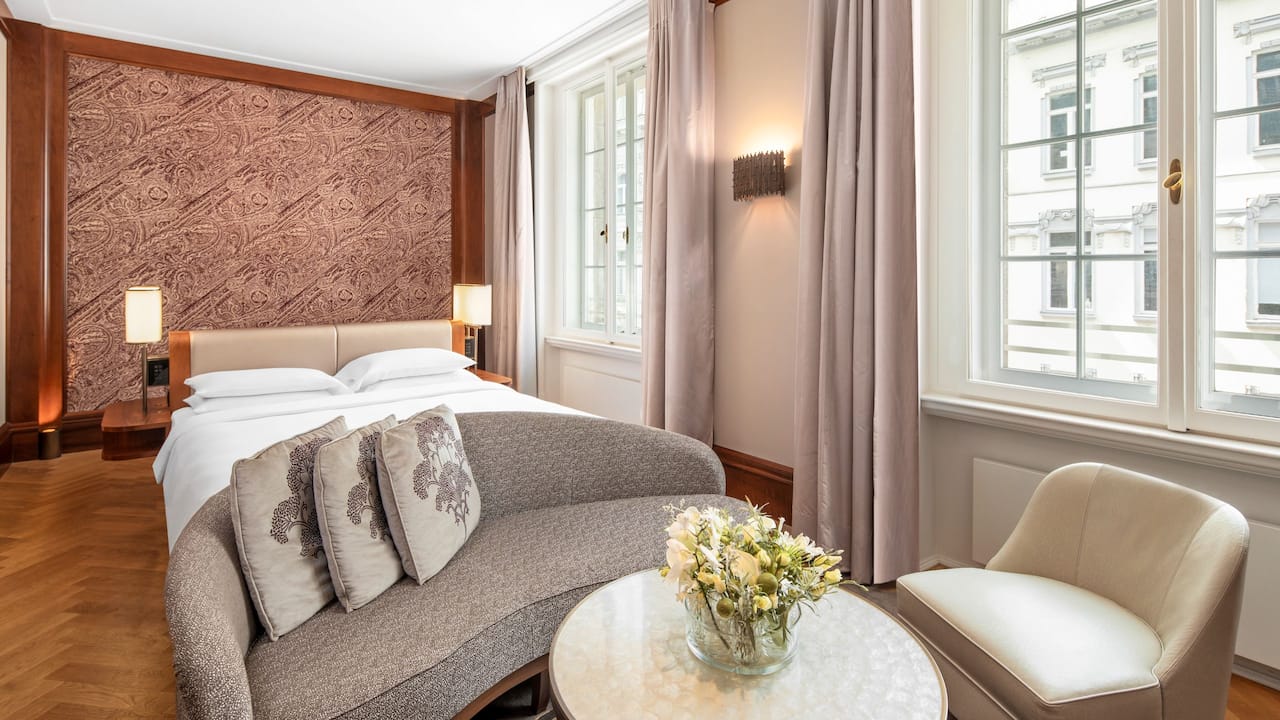
The room itself is often the first element travelers notice. Interior design, natural light, bedding, furniture, storage and the arrangement of the sleeping and living areas all influence how comfortable a stay feels. Yet the most attractive room cannot compensate for a location that creates daily logistical difficulties. Professional hotel selection therefore looks at the complete experience rather than one attractive feature.
Travelers beginning their research can explore Hotels & Resorts in Austria while comparing destinations, accommodation styles and travel requirements.
Austria is especially suitable for travelers who want to combine several types of experiences. A single itinerary can include sophisticated urban sightseeing, historic neighborhoods, mountain scenery, peaceful lakes and relaxing hotel facilities. This diversity makes it important to select accommodation that fits the rhythm of each destination.
Hotel Room Specifications, Functions and Advantages
| Hotel Category | Primary Function | Important Room Features | Main Advantages | Suitable Travelers |
|---|---|---|---|---|
| Luxury City Hotel | Premium urban accommodation | Refined interiors, comfortable bedding, spacious layouts and quality bathrooms | Convenience, service, location and sophisticated surroundings | Couples, business travelers and premium city visitors |
| Boutique Hotel | Distinctive accommodation experience | Individual design, artistic details and carefully selected furnishings | Character, atmosphere and memorable interiors | Couples, design enthusiasts and independent travelers |
| Alpine Resort | Nature and mountain-oriented stay | Large windows, balconies, comfortable seating and practical storage | Scenery, relaxation and outdoor access | Families, nature lovers and active travelers |
| Wellness Hotel | Relaxation-focused accommodation | Comfortable rooms combined with wellness and leisure facilities | Rest, privacy and convenient access to relaxation areas | Guests planning slower holidays |
| Family Hotel | Flexible accommodation for groups | Family rooms, multiple sleeping arrangements and practical layouts | Convenience and efficient use of space | Families traveling with children |
| Historic Hotel | Cultural accommodation | Traditional details, period architecture and distinctive interiors | Connection with local history and architectural character | Culture-focused travelers |
Room Comfort
A well-designed room should make it easy to sleep, relax, organize luggage and spend quiet time between activities. Bed quality, temperature control, lighting and furniture arrangement can all influence the practical experience.
Strategic Location
A convenient location can shorten daily travel times and make it easier to reach attractions, restaurants, public transportation and important areas of the destination.
Useful Facilities
The most valuable facilities are those that support the actual itinerary. Wi-Fi, breakfast, parking, storage, wellness areas and flexible guest services can all be useful depending on the type of journey.
Why the Hotel Room Matters More Than Many Travelers Expect
Travelers often spend considerable time planning attractions and transportation but give less attention to the environment in which they will sleep and recover each evening. This can be a mistake, particularly on an itinerary that includes several destinations or long sightseeing days.
A thoughtfully designed room can provide a sense of order after a busy day. Clear lighting, a comfortable bed, convenient charging points, sufficient storage and an effective bathroom layout can make everyday routines easier.
Room size also deserves attention. A compact room may be perfectly practical for a short city break when guests spend most of the day outside. During a longer stay, however, additional seating and storage can become considerably more valuable.
The same principle applies to views. A scenic view can add significant atmosphere to an Alpine or lakeside stay, while a city traveler may prefer a quiet room facing an internal courtyard. What matters is whether the feature matches the traveler's priorities.
How to Evaluate a Hotel Before Booking
Professional hotel research begins by separating essential requirements from desirable extras. Essential requirements might include a specific room capacity, central location, elevator access, parking or public transportation. Desirable extras might include a balcony, spa, panoramic view or distinctive interior design.
This distinction makes comparison more efficient. Instead of becoming distracted by attractive features, travelers can quickly identify whether a property meets the requirements that will affect the trip most strongly.
It is also useful to evaluate the hotel in relation to the itinerary. A traveler who plans to visit museums and historic attractions every day may not need an extensive resort environment. Someone planning a slower Alpine holiday may place much greater importance on wellness areas, views and outdoor access.
Vienna Hotels: Designing the Perfect City Base
Hotels in Vienna
Vienna combines imperial architecture, museums, cultural institutions, public spaces, shopping streets and a highly distinctive urban atmosphere. The city's hotel landscape reflects that variety, with properties ranging from historic accommodation to modern design hotels and practical business-oriented stays.
When researching Hotels in Vienna, travelers should first consider the structure of their daily itinerary. A short city break benefits from efficient transportation and convenient access to major areas of interest.
A longer Vienna stay allows greater flexibility. Travelers can consider quieter districts, larger rooms, additional facilities and neighborhood character without necessarily needing to remain in the busiest central streets.
Room Design in Vienna Hotels
Vienna is particularly interesting for travelers who appreciate interior design. Some properties reflect traditional Viennese elegance through classic materials and architectural details, while others use modern furniture, neutral palettes and contemporary lighting.
The preferred style is ultimately personal. Traditional rooms can create a strong sense of place, while modern rooms may offer a cleaner and more minimalist atmosphere.
Travelers should also consider whether the room supports their schedule. A comfortable desk can be important for business visitors, while a seating area may be more valuable for guests planning to spend quiet afternoons at the hotel.
Choosing the Right Vienna Location
Location should be evaluated according to the attractions that matter most. A hotel near the historic center can make sightseeing efficient, while a property farther away may offer a quieter atmosphere with convenient public transportation.
For travelers staying only a few nights, proximity can be particularly valuable. There is less time to recover from inefficient transportation, so a strategic location can improve the overall rhythm of the visit.
For longer stays, the neighborhood itself becomes part of the experience. Guests can explore local cafés, residential streets and smaller attractions instead of relying entirely on the busiest tourist areas.
Salzburg Hotels: Historic Atmosphere and Comfortable Retreats
Hotels in Salzburg
Salzburg offers an appealing combination of historic architecture, cultural identity, scenic surroundings and a compact environment that encourages exploration on foot. The city is also an excellent example of why hotel atmosphere can influence the character of a trip.
Travelers comparing Hotels in Salzburg can decide between central properties, quieter neighborhoods and accommodation designed around regional excursions.
The right choice depends on how the city fits into the overall itinerary. A short cultural visit may benefit from a central room, while a longer trip may justify selecting a property based on views, space and relaxation facilities.
The Value of a Walkable Salzburg Stay
A walkable hotel location can change the pace of a Salzburg holiday. Guests can leave the room without immediately depending on transportation, explore nearby streets and return whenever they need a break.
This flexibility can be particularly useful for families and travelers with carefully scheduled days. Instead of planning every movement around a vehicle or transfer, guests can build more natural walking routes.
A central location can also make evening plans easier because guests can return to the hotel without committing to a long journey after dinner or cultural activities.
Salzburg Rooms for Longer Stays
Travelers staying several nights should consider storage and seating. A room that provides enough space for luggage and comfortable relaxation can make a noticeable difference.
Natural light is another useful consideration. A bright room can feel more open, particularly when guests spend part of the afternoon indoors.
Travelers should also review the hotel's breakfast arrangements and nearby dining options. A convenient breakfast can simplify mornings, while restaurants within walking distance can reduce transportation requirements later in the day.
Innsbruck Hotels: Rooms Designed Around Alpine Experiences
Hotels in Innsbruck
Innsbruck offers one of Austria's most interesting combinations of urban accommodation and Alpine surroundings. Guests can explore a city environment while remaining close to dramatic mountain landscapes.
When comparing Hotels in Innsbruck, it is useful to consider the balance between city sightseeing and outdoor activities.
A centrally located hotel can support urban exploration, while another property may be more suitable for travelers who prioritize scenic surroundings and access to mountain activities.
What Active Travelers Need From a Hotel Room
Active travelers often require different facilities from guests on a traditional city break. Storage, practical furniture, easy access to transportation and comfortable areas for preparing for the next day's activities can all become important.
Room layout is particularly relevant. A well-organized space allows guests to separate outdoor clothing, luggage and everyday items without making the room feel crowded.
Travelers visiting during cooler periods may also want to consider heating, drying arrangements and storage. During warmer months, balconies, outdoor seating and ventilation may become more attractive.
Innsbruck as a City-and-Mountain Base
The ability to combine city and mountain experiences gives Innsbruck a special role in an Austrian itinerary. Travelers can spend part of the day exploring historic streets and then move toward the surrounding landscapes.
This makes transportation particularly important. A hotel should be evaluated according to how easily guests can reach the areas they intend to visit.
Travelers who plan multiple regional excursions may also find it useful to consider Car rentals in Austria when flexibility is an important part of their route.
Graz Hotels: A Distinctive Urban Experience
Hotels in Graz
Graz provides a different type of Austrian city experience, combining historic architecture, cultural attractions, contemporary design and a more relaxed urban rhythm.
Travelers searching for Hotels in Graz can evaluate properties according to central access, neighborhood atmosphere, business requirements and regional transportation.
A centrally positioned property can make walking-based exploration straightforward. Another hotel may be more appropriate for travelers who value parking, additional space or a quieter environment.
Graz Hotel Rooms for Different Travelers
Business travelers may prioritize desk space, strong connectivity and efficient transportation. Leisure visitors may focus more heavily on design, neighborhood character and proximity to cultural attractions.
Longer-stay travelers can consider room storage, laundry access and nearby everyday services. Families may need flexible room arrangements and convenient dining options.
The advantage of having several accommodation styles is that travelers can choose according to the exact purpose of the trip rather than relying on a single hotel format.
Luxury Hotel Rooms and the Meaning of Comfort
Luxury accommodation is often associated with attractive materials, spacious rooms and high-quality facilities, but comfort is broader than appearance.
A genuinely comfortable room should allow guests to move naturally between sleeping, working and relaxing. Lighting should be easy to control, furniture should have a clear purpose and the bathroom should support everyday routines.
Acoustic comfort can also be important. Travelers who spend long days exploring may value a quiet room more than decorative features.
The same applies to bedding. A beautifully designed room is less useful if the sleeping environment does not support rest.
When comparing premium accommodation, travelers should therefore consider the entire room experience rather than concentrating only on visible luxury.
Boutique Hotel Interiors in Austria
Boutique hotels offer an opportunity to experience Austria through design. Individual properties may use local materials, historic details, contemporary furniture or artistic elements to create a distinctive identity.
This accommodation style can be particularly attractive in historic cities because architecture becomes part of the stay. A guest may sleep in a renovated historic building while enjoying modern bathrooms, comfortable beds and contemporary technology.
However, individuality should not come at the expense of practicality. Travelers should still confirm room size, elevator access, luggage arrangements and transportation.
A boutique hotel is most effective when design and functionality work together.
Family-Friendly Hotel Rooms
Families should approach room selection differently from solo travelers or couples. Sleeping arrangements, occupancy limits and available space should be confirmed before booking.
A family room should provide enough room for luggage and everyday movement. Connecting rooms can sometimes provide additional privacy while keeping family members close together.
Breakfast schedules can also influence family planning. An early departure for a day trip requires different arrangements from a relaxed morning spent near the hotel.
Families should also consider the hotel's location. Easy access to public transportation, restaurants and open spaces can simplify the daily routine.
Wellness Resorts and Rooms Built for Relaxation
Austria's natural setting makes it particularly suitable for wellness-focused accommodation. Hotels may combine comfortable rooms with pools, relaxation spaces, saunas, fitness areas and outdoor surroundings.
Travelers should decide how central wellness will be to the trip. If relaxation is the main purpose, facilities may deserve a higher priority than proximity to major tourist attractions.
If wellness is only an occasional activity between sightseeing days, a smaller facility may be sufficient.
Room design also matters in this category. Natural materials, warm lighting, balconies and scenic views can contribute to a calmer atmosphere.
Hotel Views and the Austrian Landscape
A view can become one of the most memorable features of an Austrian hotel room. Mountain peaks, historic rooftops, lakes and forests can provide a visual connection to the destination even when guests are indoors.
However, travelers should distinguish between a guaranteed view and a general property description. If the view is important, the specific room category should be checked carefully.
City travelers may prefer skyline or historic views, while Alpine visitors may prioritize mountains and valleys. The value of the view depends on how much time guests expect to spend in the room.
Hotel Location and Transportation Planning
Accommodation should be selected alongside transportation rather than afterward. A hotel that looks convenient on a map may require complicated transfers depending on the actual route.
Travelers planning to visit multiple destinations should consider where they will arrive, how they will move between cities and where they will finish the journey.
For international visitors, Flights to Austria can be considered together with hotel reservations and regional transportation.
This integrated approach can reduce backtracking and create a more logical itinerary.
When a Rental Car Makes Sense
A rental vehicle can provide flexibility for travelers who want to visit smaller towns, rural areas and mountain destinations.
The decision should be based on the route rather than a general assumption that driving is always more convenient. City-centered itineraries can sometimes be easier without a vehicle, while regional trips may benefit from greater independence.
Parking should be considered before selecting the hotel. Some central properties may have limited parking arrangements or require guests to use nearby facilities.
Travelers should also consider how often the vehicle will actually be used. Paying for a car that remains parked for several days may add unnecessary complexity to a city-focused trip.
Designing a Multi-City Hotel Route
A multi-city journey requires careful coordination. Vienna, Salzburg, Innsbruck and Graz offer different experiences, but moving between them too frequently can create unnecessary packing and transportation.
A practical route begins with the destinations rather than the hotels. Decide where you want to spend time, determine the number of nights required and then select accommodation within each location.
This sequence prevents hotel availability from dictating the entire itinerary.
Travelers should also consider the first and final nights carefully. The first hotel should be easy to reach after arrival, while the final property should provide a convenient connection to the departure point.
How to Build a Professional Hotel Comparison
A professional comparison can be organized around several categories: location, room, facilities, transportation, flexibility and total cost.
Location determines how easily guests can reach the places they want to visit. Room quality affects rest and comfort. Facilities support daily needs. Transportation determines how efficiently the itinerary works.
Flexibility includes cancellation conditions, check-in arrangements and luggage storage. Total cost should include not only the room rate but also transportation and any important additional expenses.
Using the same categories for every hotel creates a more useful comparison than relying on photographs or isolated reviews.
Choosing the Right Room Category
Hotel websites may present several room categories that appear similar at first glance. Travelers should examine the actual differences carefully.
The room size, bed type, occupancy, view, bathroom layout and additional seating may vary significantly between categories.
For short stays, a standard room can often be sufficient. Longer visits may justify an upgraded category if the additional space will genuinely be used.
Families should pay special attention to occupancy rules. Couples should consider whether the room offers the atmosphere and privacy they want. Business travelers may need a functional work area.
Lighting, Furniture and the Psychology of a Hotel Room
Good hotel interiors use lighting to create different moods. Bright general lighting supports practical tasks, while softer lamps can create a more relaxing environment.
Furniture placement also influences the perceived size of a room. A carefully arranged seating area can make a smaller room feel more functional.
Natural light is another valuable feature. Large windows can make a room feel more open and can connect guests with the destination outside.
Travelers should therefore evaluate the room as a complete environment rather than judging it by furniture style alone.
Bathrooms and Everyday Hotel Comfort
The bathroom is one of the most frequently used spaces in a hotel room, yet it is sometimes overlooked during booking.
Travelers should consider shower configuration, storage, lighting, counter space and the general layout. Families may require additional bathroom space, while longer-stay guests may appreciate larger storage areas.
Accessibility should also be confirmed where necessary. Exact details are more useful than broad descriptions.
Breakfast and the First Hour of the Day
Breakfast influences the rhythm of a hotel stay. Travelers who leave early for excursions may need convenient service hours, while guests on a relaxed holiday may appreciate a slower morning environment.
The location of breakfast facilities can also matter. A well-organized breakfast area can make busy mornings easier, particularly for families.
Travelers should also determine whether breakfast is included, optional or charged separately when calculating the total cost of accommodation.
Long-Stay Hotel Requirements
A room that works for two nights may not be ideal for two weeks. Longer stays require more attention to storage, workspace, laundry facilities and neighborhood convenience.
Guests should consider whether they will have enough space to organize clothing and luggage. A room with a comfortable seating area can also become more valuable as the stay continues.
Access to supermarkets, restaurants and public transportation can reduce the effort involved in everyday tasks.
Seasonal Accommodation Strategy
Hotel priorities change with the season. During warmer months, travelers may focus on outdoor access, balconies, terraces and walking routes.
During colder periods, indoor comfort becomes more important. Heating, wellness areas, drying facilities and convenient transportation can all contribute to a smoother stay.
Travelers should also think about daylight. A hotel that is convenient for evening dining may be especially useful when winter days are shorter.
Creating a Hotel Budget That Reflects Real Value
The cheapest room is not necessarily the least expensive option once transportation and other costs are included.
A hotel closer to attractions may cost more but reduce daily travel. A property with breakfast included may reduce meal expenses. A hotel with parking can simplify a road trip.
The correct approach is to calculate the total cost of the stay and compare what the traveler receives for that cost.
Accessibility and Practical Details
Travelers with specific accessibility requirements should request exact information from the property. Room layouts, bathroom configurations, elevator access and entrances can vary considerably.
This principle also applies to guests traveling with large luggage or other practical requirements. Clear information before arrival can make the experience significantly easier.
A professional booking process includes these questions before confirmation rather than attempting to solve them after arrival.
Hotel Research for Couples
Couples often want a room that feels comfortable and private while remaining connected to the destination.
A boutique hotel can provide distinctive design, while a luxury property can emphasize service and spaciousness. A historic hotel can create a stronger sense of place.
The best accommodation style depends on whether the couple wants the hotel to function primarily as a convenient base or as part of the overall holiday experience.
Hotel Planning for Business Travelers
Business travelers have practical requirements that may differ from leisure guests. Reliable Wi-Fi, a comfortable desk, convenient transportation and efficient check-in can save valuable time.
Room acoustics and sleep quality can also be important when meetings begin early.
A central hotel can simplify movement between meetings, while a property near a transport hub may be more appropriate for short business visits.
Hotel Planning for Families
Families should consider the entire daily routine when choosing accommodation. Morning preparation, breakfast, transportation, sightseeing and evening rest all depend on the hotel working efficiently for everyone.
Room size and sleeping configuration should be confirmed before booking. Families should also consider whether there are nearby dining options that can accommodate different schedules.
A convenient location can reduce the stress associated with moving children between multiple destinations.
Creating a Balanced Austrian Itinerary
An effective itinerary does not attempt to see everything. Instead, it creates a comfortable relationship between travel time, sightseeing and rest.
Travelers may choose a few primary destinations and use them as bases for surrounding experiences. This approach can provide variety without excessive hotel changes.
Accommodation should therefore be selected with the pace of the itinerary in mind. A relaxing hotel can be especially valuable after several intensive sightseeing days.
The Role of Technology in Hotel Selection
Modern travelers can research room categories, locations, transportation and facilities before making a reservation. Digital information makes it possible to compare multiple destinations from one place.
However, information should be organized rather than collected randomly. Travelers should record the details that matter most and compare properties using the same criteria.
This makes the process faster and reduces the likelihood of choosing a hotel based on one attractive photograph or promotional description.
What Makes a Hotel Feel Professionally Designed?
Professional hotel interiors usually balance appearance with function. Furniture has a purpose, lighting is layered, storage is accessible and the room provides a natural flow between different activities.
Materials also influence the atmosphere. Wood can create warmth, stone can introduce a sense of permanence and textiles can soften the environment.
The best rooms do not necessarily contain the most furniture. Instead, they use space efficiently and provide guests with what they need without creating visual or physical clutter.
Hotel Views, Balconies and Outdoor Space
Outdoor space can be especially valuable in Austria because the surrounding landscape is often a major part of the destination.
A balcony overlooking mountains or a peaceful valley can transform the experience of an Alpine stay. In a city, a terrace can provide a quiet place to begin or end the day.
Travelers should verify whether a balcony or terrace belongs to the specific room category they are booking rather than assuming that every room includes one.
Privacy and Quietness
Privacy is another factor that can be difficult to evaluate from photographs. Travelers who value quiet evenings should consider room location, building design and the surrounding environment.
A hotel near a busy street may be highly convenient but require more attention to room placement. A quieter neighborhood may offer a different balance between accessibility and relaxation.
For longer stays, acoustic comfort becomes increasingly relevant because guests spend more time using the room as a living environment.
Planning Around Arrival and Departure
Arrival day can be one of the most tiring parts of an international journey. The first hotel should therefore be easy to reach and simple to access.
Travelers arriving late may prioritize straightforward check-in arrangements. Those arriving early may need luggage storage.
The final hotel should also be selected with departure logistics in mind. Easy access to the airport or onward transportation can reduce unnecessary pressure on the final day.
Frequently Asked Questions About Austrian Hotel Rooms and Stays
1. What should I consider first when choosing an Austrian hotel?
Start with the destination and itinerary. Then compare hotel location, room type, facilities, transportation and total cost.
Explore Hotels & Resorts in Austria2. What makes a Vienna hotel convenient?
Convenient transportation, suitable room comfort and proximity to the areas included in your sightseeing plans can make a Vienna hotel practical.
Explore Hotels in Vienna3. Should I stay near the Salzburg historic center?
A central location can be useful for short visits and walking-based sightseeing, while quieter areas may provide more space or a different atmosphere.
Explore Hotels in Salzburg4. What makes Innsbruck accommodation different?
Innsbruck allows travelers to combine urban accommodation with access to Alpine scenery, so transportation and outdoor access can be especially relevant.
Explore Hotels in Innsbruck5. What should I look for in Graz hotels?
Consider whether your trip is focused on central sightseeing, business activities, regional exploration or a quieter neighborhood environment.
Explore Hotels in Graz6. Is a rental car useful for an Austrian holiday?
It can be useful for regional routes, rural destinations and multi-stop journeys, while city-focused trips may not require a vehicle.
Explore Car rentals in Austria7. How should I organize flights and hotels?
Consider arrival and departure airports together with the hotel route so that the first and final parts of the itinerary remain practical.
Explore Flights to Austria8. What room features matter most for families?
Families should review room capacity, bed configuration, space, storage, breakfast arrangements and transportation access.
Browse Austrian Hotels9. Are boutique hotels suitable for couples?
They can be particularly attractive to couples who value distinctive interiors, privacy and a more individual accommodation atmosphere.
Discover Vienna Hotels10. What should active travelers check in Innsbruck?
Look at storage, transportation, room organization and proximity to the activities included in the itinerary.
Discover Innsbruck Hotels11. Is the most central hotel always the right choice?
Not necessarily. Central accommodation can save travel time, while another location may offer greater quietness, space or access to specific activities.
Discover Salzburg Hotels12. What makes a wellness hotel useful?
Wellness hotels can provide relaxation facilities and a calmer environment, particularly for travelers who plan to spend meaningful time at the property.
Explore Austrian Resorts13. How can I reduce unnecessary hotel changes?
Use strategic accommodation bases and organize nearby excursions around them whenever the route makes that practical.
Plan Hotels Across Austria14. What is important for a long hotel stay?
Storage, room size, workspace, laundry access and convenient neighborhood services can become more important as the length of the stay increases.
Explore Graz Hotels15. What should I compare in a luxury hotel?
Compare room quality, location, service, facilities, dining, wellness options and the overall fit with your itinerary.
Explore Austrian Hotels16. Do I need a car in Vienna?
For many city-focused itineraries, travelers can consider walking and public transportation before deciding whether a rental vehicle is necessary.
Compare Car Rentals in Austria17. Can Salzburg be used as a base for excursions?
Depending on the route, Salzburg can work as a central accommodation base while travelers explore nearby destinations.
Find Salzburg Hotels18. Why consider a hotel in Vienna for a first visit?
Vienna offers extensive cultural attractions, transportation connections and a broad selection of accommodation styles.
Find Vienna Hotels19. How can I choose the right room size?
Consider the number of guests, length of stay, amount of luggage and how much time you expect to spend in the room.
Compare Austrian Accommodation20. What makes an Alpine hotel practical?
Useful storage, transportation access, seasonal facilities and proximity to outdoor activities can improve the overall experience.
Explore Innsbruck Accommodation21. Is Graz useful for a longer Austrian journey?
Graz can add cultural and regional variety to a multi-destination itinerary and can be considered alongside other Austrian cities.
Explore Graz Accommodation22. How should I calculate my hotel budget?
Consider the room price together with transportation, parking, meals, included services and any additional accommodation charges.
Compare Hotels & Resorts23. Can flights influence hotel selection?
Yes. Arrival and departure points affect the first and final hotel choices and can influence the overall route.
Explore Flights to Austria24. What should couples prioritize in a room?
Couples may consider privacy, atmosphere, bed quality, room layout, views and the hotel's relationship with the surrounding destination.
Explore Salzburg Accommodation25. Where can I begin planning an Austrian hotel journey?
Begin by identifying the destinations and experiences you want, then compare hotels according to location, room requirements, facilities and transportation.
Start Exploring Austrian HotelsProfessional Hotel Selection Checklist
- Identify the purpose of the trip before selecting a hotel.
- Choose the city or region before comparing individual properties.
- Check the exact location rather than relying on the word "central."
- Review room size and occupancy requirements.
- Confirm the bed configuration.
- Check storage and seating arrangements.
- Review bathroom configuration.
- Confirm breakfast availability and schedule.
- Check parking if traveling by car.
- Review public transportation connections.
- Confirm luggage storage options.
- Check accessibility details when required.
- Review cancellation and payment conditions.
- Calculate additional costs.
- Consider seasonal requirements.
- Compare the hotel with the complete itinerary.
- Avoid unnecessary changes of accommodation.
- Confirm important room features before final booking.
Creating a More Refined Austrian Stay
The strongest hotel strategy is based on alignment. The property should match the destination, the room should match the length of stay, and the facilities should match the activities included in the itinerary.
Vienna can support travelers seeking a sophisticated urban environment, Salzburg can provide historic character and a slower atmosphere, Innsbruck can connect city experiences with Alpine landscapes, and Graz can introduce another dimension to the Austrian journey.
The accommodation itself can also become part of the travel story. A beautifully designed room, a historic building, a mountain-facing suite or a quiet boutique property can contribute to the memory of a trip long after the reservation has ended.
At the same time, practical considerations should remain central. Comfortable rooms, reliable transportation, appropriate facilities and a suitable location often have a greater influence on the quality of a trip than a long list of decorative features.
Planning the Complete Hotel Experience
A well-organized Austrian journey begins by connecting the major elements of travel. Flights establish the arrival and departure points. Hotels establish the daily bases. Transportation connects destinations. Room selection determines the level of comfort between activities.
When these elements are planned together, the itinerary becomes easier to manage. Travelers can spend more time exploring and less time solving avoidable logistical problems.
The result is a travel experience in which accommodation feels natural rather than disruptive. Each hotel has a clear purpose, each destination receives an appropriate amount of time, and transportation supports the route.
This approach also makes it easier to personalize a journey. A traveler can dedicate more nights to a favorite destination, select a larger room for a longer stay or choose a resort when relaxation becomes a priority.
Making the Most of Austrian Hotel Rooms
A hotel room should be evaluated according to how it will actually be used. Travelers who spend most of the day outdoors may prioritize a comfortable bed and practical bathroom over extensive living space.
Guests spending more time indoors may value a seating area, workspace, larger windows, balcony or additional room.
Families may require flexibility, while couples may focus on atmosphere and privacy. Business travelers may value efficiency and connectivity.
Understanding these differences allows travelers to select accommodation with greater precision and avoid paying for features that do not contribute meaningfully to the trip.
Smart Planning for Future Austrian Journeys
Austria's hotel landscape is diverse enough to support repeated visits without creating the same experience twice. A traveler can return to Vienna for a cultural weekend, visit Salzburg for a slower historic escape, explore Innsbruck for Alpine activities and later discover Graz as part of a broader regional journey.
Each trip can use a different accommodation strategy. A city break may emphasize centrality, while an Alpine holiday may emphasize scenery and wellness. A family trip may require larger rooms, while a couple's getaway may prioritize boutique design.
The key is to make the hotel selection reflect the journey rather than forcing every journey into the same accommodation model.
With careful planning, the hotel becomes more than a reservation. It becomes a practical base, a comfortable retreat and, in many cases, an important part of the Austrian experience itself.


Comments
Post a Comment