The Art of Choosing Hotels in France: A Complete Guide to Comfort, Design, Location & Exceptional Travel
The Art of Choosing Hotels in France: A Complete Guide to Comfort, Design, Location & Exceptional Travel
A successful French journey begins long before the first sightseeing tour. The hotel you choose can influence how much time you spend traveling, how comfortably you sleep, how easily you explore, and how strongly you connect with the character of the destination.
France offers an extraordinary range of accommodation experiences, from elegant Parisian residences and contemporary city properties to Mediterranean hotels, historic buildings, countryside retreats, boutique suites, and practical accommodation designed around transport connections. The challenge is not simply finding a beautiful room. It is finding a hotel that works intelligently with the entire journey.
This professional guide explores the essential elements of hotel selection, including location, room design, sleep quality, bathrooms, lighting, storage, transportation, neighborhood character, city selection, travel style, and overall value.
1. The Hotel Should Support the Journey, Not Complicate It
Accommodation is often treated as a separate part of travel planning, but in reality it is closely connected to almost every other decision. A hotel affects morning routines, transportation, dining options, sightseeing schedules, luggage management, rest periods, and even how much energy remains at the end of a busy day.
When comparing Hotels & Resorts in France, begin by identifying the purpose of the trip. A cultural weekend in Paris requires a different hotel strategy from a Mediterranean vacation in Nice. A business trip to Lyon has different priorities from a family road trip through southern France.
Professional hotel selection therefore begins with questions rather than property names. Where will you spend most of your time? How will you move around? Will you return to the hotel during the afternoon? Will you need a desk? Are you traveling with children? Do you need parking? Is the room primarily a sleeping base or an important part of the holiday experience?
Once these questions are answered, hotel research becomes much more precise. Instead of being overwhelmed by hundreds of options, travelers can filter properties according to their actual needs.
Choose the hotel according to the journey you are building. A room should complement the itinerary, while the location should reduce friction between the traveler and the experiences that matter most.
2. Location Is One of the Most Valuable Hotel Features
Location has a direct effect on the amount of usable time available during a trip. A hotel that places you close to attractions, restaurants, public transportation, shopping streets, or waterfront areas can make a destination feel easier and more enjoyable.
The mistake many travelers make is looking at a map only after selecting a hotel. A better strategy is to map the itinerary first and then search for accommodation within the most useful geographic area.
In a major city, ten or fifteen minutes of additional travel may not sound significant. Repeated several times per day, however, those journeys can consume hours over the course of a multi-day stay.
Location also affects spontaneous travel. When a hotel is well positioned, guests can return to their room for a short rest, change clothes, collect belongings, or simply escape the crowds before continuing the day.
Questions to Ask Before Booking
- What attractions are within walking distance?
- How close is the nearest public transportation connection?
- How convenient is the neighborhood after dark?
- Are restaurants and cafés available nearby?
- How difficult will airport or train-station transfers be?
- Will the location work with the planned daily itinerary?
- Is the hotel convenient for the return journey as well as the arrival?
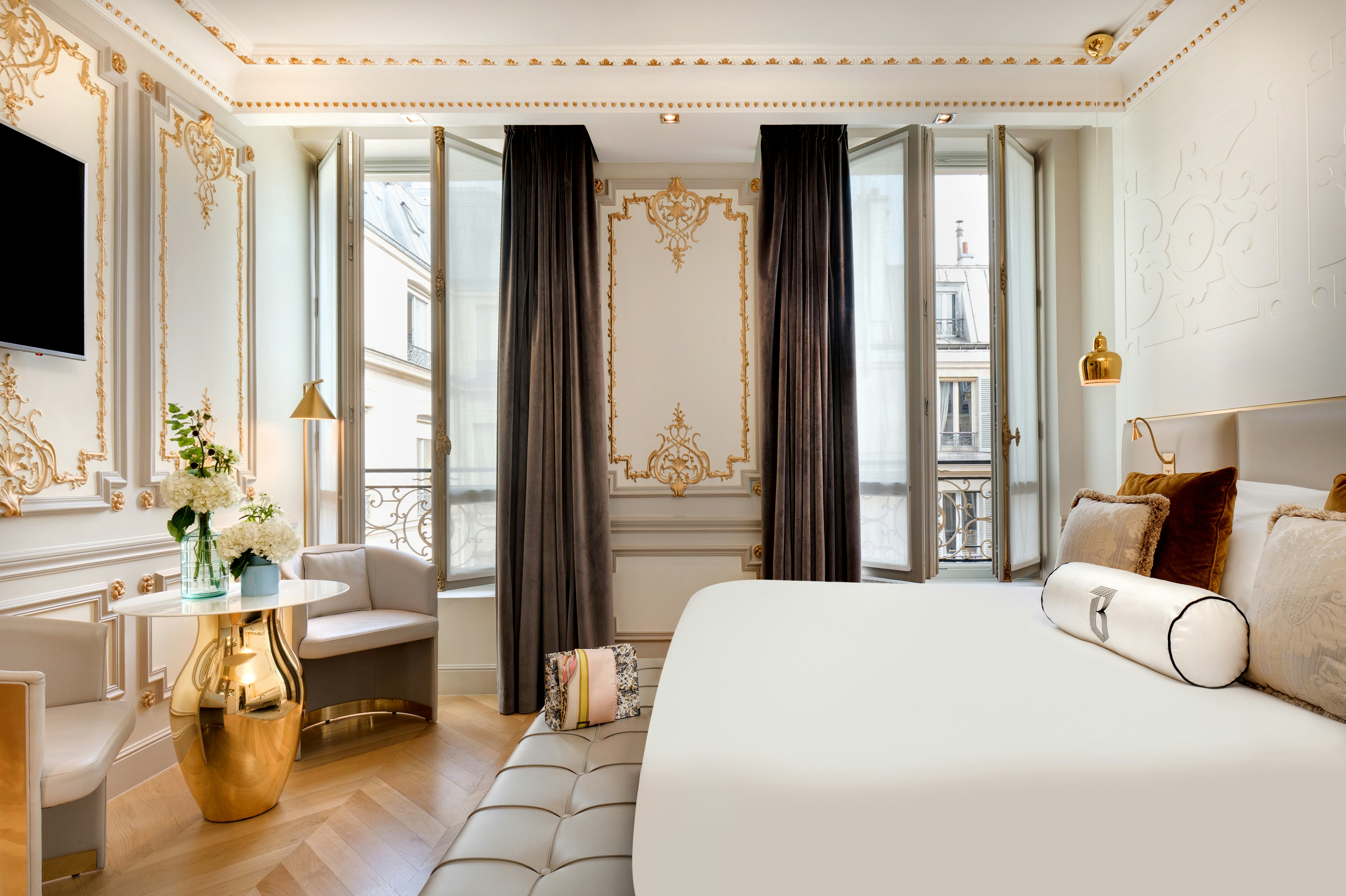
3. Paris Requires a More Detailed Location Strategy
Paris is large enough that neighborhood choice can substantially change the character of a stay. Visitors may want to prioritize cultural institutions, historic streets, shopping, dining, business districts, gardens, nightlife, or proximity to transportation.
When choosing a Hotel in Paris, consider the activities you expect to repeat rather than focusing exclusively on one famous landmark.
For example, a traveler planning to visit several museums may benefit from a different location than someone whose primary goal is exploring cafés, boutiques, and neighborhood streets. Business travelers may prioritize efficient connections, while couples may place greater emphasis on atmosphere and evening walkability.
Paris also rewards travelers who understand the difference between a central address and a strategically central address. Being technically close to the center does not necessarily mean being close to the places you actually want to visit.
A professional approach is to create a simple itinerary map containing restaurants, museums, landmarks, shopping areas, train stations, and any scheduled appointments. Then compare the hotel location against that map.
4. Airport Arrival Planning Can Improve the Entire Stay
The first and final days of a trip are often the most logistically sensitive. Travelers arriving after a long flight may have luggage, unfamiliar transportation systems, and limited energy.
Planning the transfer from the airport to the hotel in advance can reduce unnecessary stress. Travelers flying through Paris Charles de Gaulle Airport (CDG) should consider the expected arrival time, luggage volume, hotel location, and available transportation options.
Airport strategy should also be considered when selecting the hotel for the final night. If a flight departs very early, a property with a straightforward airport connection may be more convenient than a hotel selected solely for centrality.
The same principle applies to train travel. If a trip involves several French cities, proximity to a major railway connection can become a valuable practical advantage.
5. Choosing Between Central Convenience and Residential Atmosphere
Not every traveler wants to stay in the busiest possible area. Central neighborhoods provide convenience, but quieter residential areas can provide a more relaxed experience.
The right balance depends on the rhythm of the trip. Travelers planning intensive sightseeing may value maximum convenience. Those staying for a week may prefer a quieter neighborhood with local bakeries, markets, parks, and everyday services.
Residential areas can also provide a stronger sense of daily life. Instead of spending every evening among major tourist attractions, travelers can experience how the city feels after the main sightseeing hours.
For longer stays, this can become one of the most rewarding aspects of choosing accommodation carefully.
6. Understanding Room Categories Before Paying More
Room categories can be confusing because hotels use different terminology. A Deluxe room at one property may have a completely different size and layout from a Deluxe room elsewhere.
Travelers should therefore focus on measurable and visible characteristics rather than the category name alone.
| Room Element | What to Examine | Why It Matters |
|---|---|---|
| Floor Area | Actual square meters where available | Determines usable space |
| Bed | Size, configuration and position | Directly affects sleep comfort |
| Windows | Size, orientation and natural light | Influences atmosphere |
| Bathroom | Shower, bath, storage and lighting | Affects everyday convenience |
| Storage | Closet, drawers and luggage area | Important for organized stays |
| Workspace | Desk, chair and outlets | Essential for business use |
| Seating | Chair, sofa or lounge area | Useful for longer stays |
A traveler should never assume that paying for a higher room category automatically means receiving a better overall experience. The value comes from the specific features included in the upgrade.
7. A Beautiful Room Needs a Functional Layout
Interior design photographs often focus on visual appeal, but practical circulation is equally important. The room should allow guests to move naturally between the bed, bathroom, wardrobe, luggage area, and entrance.
Furniture should not create unnecessary obstacles. Electrical outlets should be accessible. Bedside tables should provide enough space for everyday items. Curtains should be easy to operate, and luggage should have a logical location.
These details may appear small during a short viewing of a photograph, but they become much more important after several nights.
The Three-Zone Concept
A highly functional hotel room can be considered in three broad zones: sleep, preparation, and relaxation or work.
The sleeping zone should feel calm and uncluttered. The preparation zone includes the bathroom, wardrobe, mirror, and luggage area. The third zone may contain a desk, lounge chair, sofa, or small table.
When these zones are clearly separated, the room often feels more spacious even if its actual floor area is modest.
8. Natural Light Changes the Perception of Space
Natural light is one of the most effective design elements in a hotel room. Large windows can make a room appear more open, while thoughtful window placement can create attractive views and stronger connections to the surrounding destination.
Natural light also changes throughout the day. Morning sunlight can create an energetic atmosphere, while softer afternoon light may contribute to a more relaxed environment.
Travelers who care about photography should also consider window orientation. A room may look completely different in morning and evening light.
9. Nice: A Different Model of French Hotel Living
Nice offers a hotel experience strongly influenced by Mediterranean light, outdoor living, historic architecture, and the relaxed rhythm of the French Riviera.
When selecting a Hotel in Nice, travelers should consider how much time they expect to spend outdoors. A property near the waterfront may be particularly useful for guests who want easy access to promenades and beaches, while a hotel in or near the historic center may better support travelers interested in architecture, local streets, and restaurants.
Room characteristics can also become more important in Nice. Balconies, large windows, natural light, comfortable seating, and views can contribute substantially to the experience.

Nice can also be an excellent base for exploring the wider region. Travelers may combine the city with coastal towns, inland villages, cultural sites, and scenic routes. For itineraries that include multiple stops, Car rentals in Nice can be considered alongside train and bus options.
10. Mediterranean Design and the Importance of Airy Interiors
Hotels in coastal destinations often benefit from interiors that emphasize lightness. White bedding, natural wood, pale walls, woven materials, and restrained decoration can reinforce the feeling of being near the Mediterranean.
However, airy design should not come at the expense of functionality. A beautiful room still needs adequate storage, comfortable seating, good lighting, reliable climate control, and practical bathroom facilities.
The best coastal interiors combine visual simplicity with everyday comfort.
11. Lyon: Choosing Accommodation Around Food, History and Mobility
Lyon provides a different hotel-selection equation. The city combines historic districts, culinary culture, business activity, and varied architectural environments.
Travelers researching Hotels in Lyon should consider whether the trip is centered on dining, sightseeing, business meetings, or a mixture of these activities.
For culinary-focused travel, proximity to restaurants and central districts may matter more than extensive hotel facilities. Business travelers may prioritize transportation and workspace. Visitors staying several nights may want a quieter neighborhood with convenient local services.
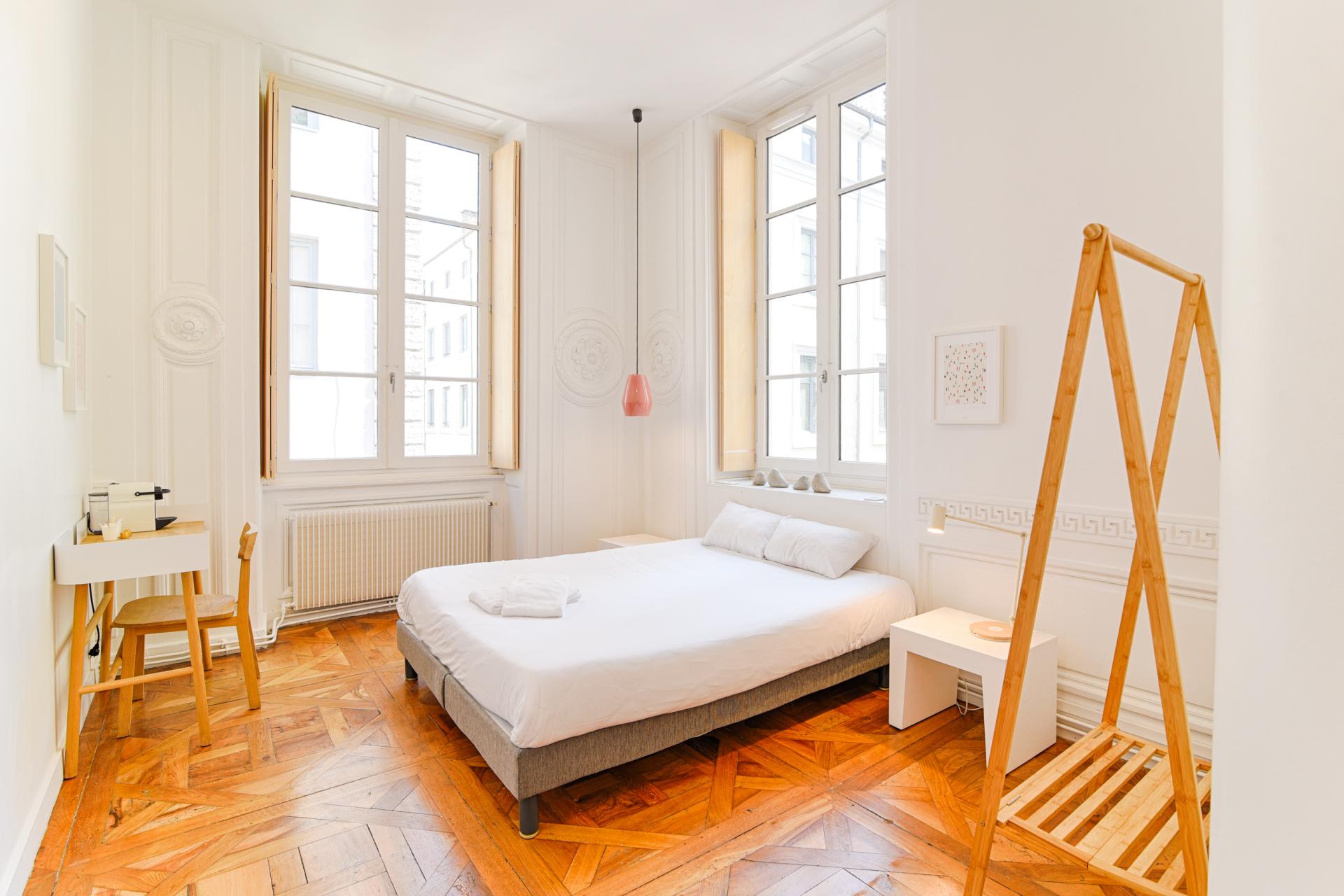
Lyon also demonstrates how historic buildings can be adapted for modern hotel use. Original architectural elements can provide character, while contemporary bathrooms, lighting, climate systems, and furniture deliver modern comfort.
12. Historic Architecture Versus Modern Convenience
France contains many properties where historic architecture forms a major part of the guest experience. Exposed beams, stone walls, decorative molding, traditional windows, parquet flooring, and original staircases can give a hotel a distinctive identity.
But historic character should be evaluated alongside practical details. Travelers should check whether the building has an elevator, how the bathroom has been updated, whether air conditioning is available when relevant, and how sound insulation performs.
A historic hotel can be beautiful while still being inconvenient for certain travelers. Conversely, a modern hotel may lack architectural history but offer outstanding accessibility and efficiency.
The ideal balance: Look for properties where the historic character enhances the stay rather than interfering with essential comfort.
13. Marseille: A Hotel Strategy Built Around the Mediterranean
Marseille has a distinctive identity shaped by its port, coastline, neighborhoods, architecture, and Mediterranean atmosphere.
When comparing Hotels in Marseille, travelers should decide whether they want an urban experience, a coastal experience, or a combination of both.
Room orientation can become particularly relevant. Large windows, natural light, terraces, or attractive views may enhance a stay significantly.
Travelers planning to explore beyond the central districts should also consider parking and road access.
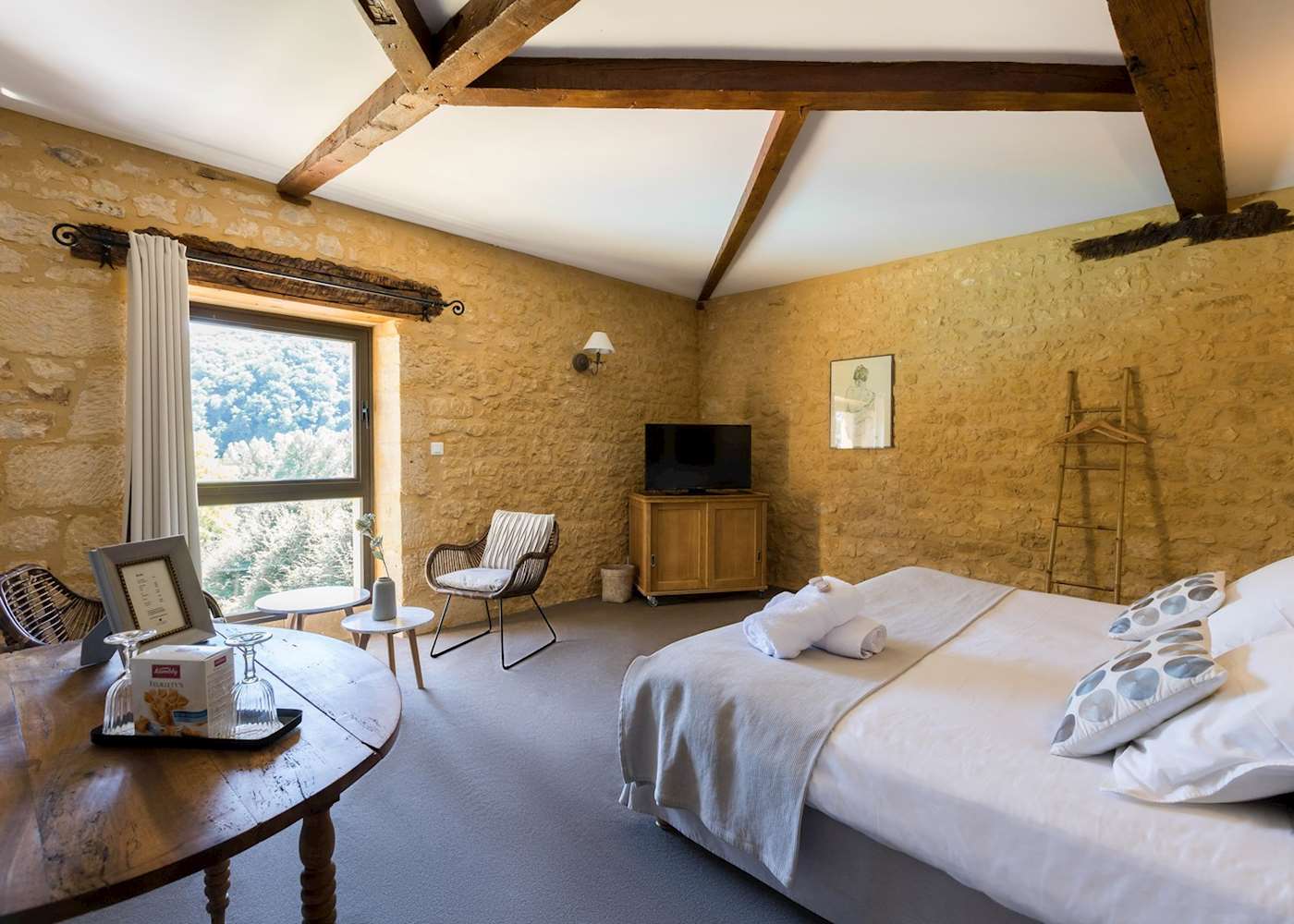
The photograph above represents another important dimension of French accommodation: the countryside retreat. Rustic materials, exposed stone, timber, natural textures, and views of greenery can create an experience completely different from an urban hotel.
14. Countryside Hotels: When the Property Becomes the Destination
In a city, the destination often exists outside the hotel. In the countryside, the hotel itself may become a major part of the experience.
This changes the selection criteria. Instead of prioritizing transportation above everything else, travelers may want to consider gardens, views, outdoor seating, architecture, privacy, dining, wellness facilities, and the surrounding landscape.
For a countryside stay, the quality of the environment immediately around the property can matter as much as the room itself.
15. Marseille, Nice and the Case for Flexible Transportation
Southern France can reward travelers who combine urban exploration with regional travel. Public transportation may be sufficient for a city-centered itinerary, while a vehicle can become useful when the journey includes rural areas or several smaller destinations.
Travelers considering Car rentals in France should calculate the entire itinerary before deciding. A car creates flexibility, but it can also introduce parking costs and driving considerations.
The hotel should therefore be selected after understanding the transportation plan, not before it.
16. The Importance of Sleep Quality
Sleep is one of the least glamorous hotel features but one of the most important. A beautiful property loses much of its value if guests struggle to rest.
When researching accommodation, look for recurring comments about mattress comfort, pillows, street noise, corridor noise, air conditioning, blackout curtains, and room temperature.
Noise is particularly important in urban destinations. A central hotel can be extremely convenient while also exposing guests to traffic, nightlife, delivery vehicles, or pedestrians.
Questions About Sleep
- Does the room face a busy street?
- Is it close to elevators or staircases?
- Are blackout curtains provided?
- Is the air-conditioning system adjustable?
- Does the room appear to have good window insulation?
- Do reviews repeatedly mention nighttime noise?
17. Bathrooms Should Be Evaluated Like a Room
The bathroom is sometimes overlooked because hotel photographs focus on the bedroom. Yet travelers use the bathroom several times every day, making its design highly relevant.
Examine shower size, water pressure information when available, counter space, mirror lighting, storage, ventilation, and the location of towels.
Families may want bathtubs. Business travelers may value a large mirror and efficient preparation space. Long-stay guests may prioritize storage.
Small details such as towel hooks, electrical outlets, shelf placement, and lighting can make a meaningful difference.
18. Lighting Is a Major Component of Hotel Comfort
Good hotel lighting should support multiple activities. Travelers may want bright illumination while preparing in the morning, softer lighting while relaxing, and focused lighting for reading or working.
Rooms with only one central ceiling light can feel less comfortable than rooms with layered illumination.
Bedside lamps are especially important. Ideally, each side of the bed should have practical controls, allowing guests to manage lighting without leaving the bed.
19. Storage Is a Hidden Luxury
Storage is rarely the headline feature of a hotel, yet it becomes increasingly important during longer stays.
Guests should be able to unpack clothing, organize shoes, store toiletries, and keep luggage out of the main walking area.
A room can feel substantially larger when everything has a designated place. Conversely, even a spacious room can become uncomfortable when suitcases remain open on the floor throughout the stay.
20. Workspace Design for Modern Travelers
Work and leisure increasingly overlap. Travelers may need to join meetings, answer messages, manage reservations, or handle professional responsibilities while abroad.
A useful hotel workspace needs more than a decorative desk. It should provide a comfortable chair, adequate surface area, accessible outlets, sufficient lighting, and a stable internet connection.
Travelers should also check whether the desk shown in hotel photographs belongs to the exact room category being considered. A workspace in a suite does not necessarily mean that smaller rooms have the same arrangement.
21. Amenities Should Be Judged by Real Use
Hotel marketing can present a long list of amenities, but the practical value of each feature depends on the traveler.
| Amenity | Potential Value | Who May Benefit Most |
|---|---|---|
| Breakfast | Saves morning planning time | Families and busy travelers |
| Fitness Room | Maintains exercise routine | Long-stay and business travelers |
| Pool | Adds relaxation and leisure | Resort and family stays |
| Parking | Simplifies vehicle travel | Road-trip guests |
| Workspace | Supports remote work | Business travelers |
| Luggage Storage | Useful before and after check-in | City travelers |
| 24-Hour Reception | Provides flexibility for arrivals | Late-arriving guests |
| Laundry | Reduces luggage requirements | Long-stay travelers |
22. Hotel Breakfast: Convenience Versus Flexibility
Breakfast can be valuable, but it should be evaluated according to the daily schedule.
Guests with early excursions may prefer a hotel offering early breakfast or takeaway options. Travelers who enjoy discovering local bakeries may prefer to skip hotel breakfast and explore the neighborhood instead.
Families often appreciate the predictability of a hotel breakfast because it reduces the number of decisions required early in the morning.
There is no universal answer. The right choice depends on the rhythm of the trip.
23. Boutique Hotels and Their Distinctive Character
Boutique hotels often emphasize individuality. Their rooms may feature unique furniture, local artwork, unusual color palettes, restored architecture, or personalized layouts.
This can create a stronger sense of place, particularly in cities where the hotel itself reflects local design traditions.
The trade-off is that boutique properties may have fewer standardized facilities than larger hotels. Travelers should therefore confirm elevator access, reception hours, luggage arrangements, room sizes, and other practical details.
24. Large Hotels and the Value of Predictability
Larger properties can offer consistency, extensive facilities, multiple room categories, restaurants, fitness centers, meeting facilities, and broader reception services.
This can be especially useful for families, business groups, conferences, and travelers who prefer predictable hotel structures.
However, large hotels can also feel less intimate. Travelers should decide whether they value extensive facilities or a more personal atmosphere.
25. Reading Reviews With Professional Discipline
Hotel reviews are useful only when interpreted carefully. A single negative comment should not automatically determine the decision, just as one enthusiastic comment should not guarantee an excellent stay.
Look for repeated patterns.
If several unrelated travelers mention the same issue, it deserves attention. If one guest complains about room size while another describes the room as comfortable, the difference may reflect different expectations.
Separate facts from preferences. “There was no elevator” is an objective detail. “The hotel felt too formal” is a personal reaction. Both can be useful, but they should not be interpreted in the same way.
26. Choosing Hotels for Couples
Couples often value atmosphere, privacy, comfortable beds, attractive lighting, scenic views, walkability, and access to restaurants.
A romantic hotel does not necessarily need extravagant decoration. A quiet room, beautiful architecture, an attractive balcony, and an excellent neighborhood can create a more meaningful experience.
Couples should also consider the journey between the hotel and evening activities. A hotel that makes dinner and nighttime walks easy may create a smoother experience than a larger property that requires transportation every evening.
27. Choosing Hotels for Families
Families should evaluate accommodation from a practical perspective. Room configuration is crucial. Parents should determine whether children can sleep comfortably and whether there is enough circulation space for luggage and everyday items.
Bathrooms matter as well. Families may prefer larger bathrooms, bathtubs, multiple sinks, or separate toilet areas depending on the age of the children.
Breakfast, nearby supermarkets, pharmacy access, elevator availability, and transportation can also make a substantial difference.
28. Choosing Hotels for Business Travel
Business travelers typically benefit from efficiency. The hotel should minimize unnecessary travel and support work without making the guest sacrifice sleep or comfort.
Important features may include reliable internet, a comfortable desk, quiet rooms, breakfast availability, transportation access, flexible check-in, and convenient proximity to meetings.
A smaller hotel with an excellent workspace and strategic location can sometimes be more practical than a larger property with many facilities that the traveler never uses.
29. Long-Stay Hotel Selection
Long stays expose weaknesses that may not be noticeable during a weekend.
After several nights, travelers begin to notice storage limitations, uncomfortable chairs, insufficient outlets, poor lighting, limited bathroom space, and repetitive breakfast options.
Long-stay travelers should therefore prioritize livability rather than first impressions. A room should be comfortable enough to feel like a temporary home.
30. The Role of Parking
Parking can be a decisive factor when traveling by car. Travelers should verify whether parking is on-site, nearby, reserved, public, or subject to additional fees.
They should also consider the size of the vehicle and whether the parking area is practical for luggage.
A hotel that appears inexpensive can become less attractive when daily parking costs are added. Total cost should therefore always be considered.
31. Building a Multi-City French Hotel Strategy
A multi-city journey can become much more enjoyable when each hotel serves a different purpose.
Paris may emphasize cultural access. Lyon can focus on food and architecture. Marseille can introduce Mediterranean energy. Nice can provide coastal relaxation. A countryside property can create a slower transition between urban destinations.
This approach creates contrast and variety rather than repeating the same hotel experience several times.
32. Using Hotels as Strategic Bases
The concept of a hotel as a base is particularly useful in France. Instead of moving every night, travelers can stay several nights in one city and make selected day trips.
This reduces packing and unpacking while allowing deeper exploration of the local area.
A strategic base should have good transportation connections, a comfortable room, useful dining options nearby, and enough amenities for the length of the stay.
33. The Importance of the Neighborhood After Sunset
Travelers often research neighborhoods during daylight hours only. Yet the evening atmosphere can be equally important.
Consider whether restaurants remain open, how easy it is to return to the hotel, whether the streets are active, and whether transportation remains convenient.
For couples and solo travelers especially, evening convenience can strongly influence the practical quality of a hotel location.
34. Designing a Relaxed Travel Day Around the Hotel
A well-positioned hotel makes it possible to create flexible days. Travelers can start early, explore, return for a rest, and go out again in the evening.
This is particularly useful during longer trips when continuous sightseeing can become tiring.
Hotels with comfortable rooms, lounge areas, balconies, gardens, or wellness facilities can provide additional reasons to slow down.
35. French Countryside Escapes and the Value of Atmosphere
Country properties can offer experiences that urban hotels cannot reproduce. Stone architecture, timber beams, gardens, surrounding fields, terraces, and regional design elements can make the accommodation itself memorable.
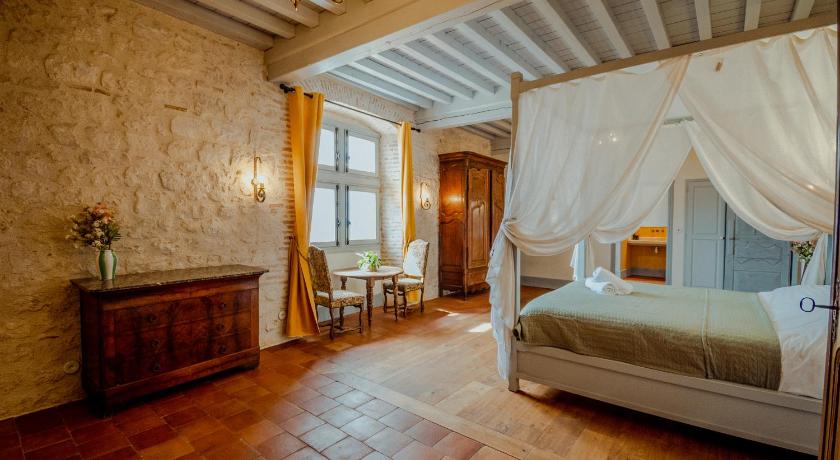
For travelers seeking a slower experience, the countryside can provide a useful contrast to the energy of Paris, Lyon, Marseille, or Nice.
36. Design Details That Create a Premium Feeling
Premium hotel design is often achieved through small details rather than excessive decoration.
- Well-proportioned furniture.
- Comfortable bedding.
- Layered lighting.
- Natural textures.
- Quiet color combinations.
- High-quality curtains.
- Thoughtful storage.
- Convenient electrical outlets.
- Comfortable seating.
- Well-designed bathrooms.
These features create an environment that feels intentional and coherent.
37. Color and Material Choices
French-inspired hotel interiors often make effective use of materials such as wood, stone, linen, brass, glass, plaster, and textured fabrics.
The objective is not necessarily to reproduce a historical French style. Contemporary hotels can reinterpret traditional materials in modern ways.
For travelers choosing between rooms, material quality can provide clues about the overall design approach, but practical comfort should remain the priority.
38. Technology Without Losing Comfort
Modern hotel rooms increasingly include digital controls, smart televisions, USB charging, mobile access, and automated lighting.
Technology can improve convenience, but it should not complicate basic tasks. Guests should still be able to control lighting, temperature, curtains, and entertainment without lengthy instructions.
The best technology feels almost invisible because it simplifies rather than interrupts the stay.
39. Sustainability in Modern Hotel Selection
Responsible travel can be incorporated into accommodation choices through practical decisions. Travelers can look for properties that communicate concrete environmental measures such as energy management, water conservation, waste reduction, local sourcing, and reduced single-use products.
Guests can also support sustainability by choosing walkable hotels, using public transportation when practical, reducing unnecessary laundry cycles, and supporting local businesses.
40. Accessibility and Practical Convenience
Accessibility should be considered before booking rather than after arrival. Travelers with mobility requirements should verify elevator access, entrance arrangements, bathroom configuration, room dimensions, and the presence of appropriate facilities.
Even travelers without specific accessibility needs may benefit from thinking about stairs, luggage, and elevator availability. A historic property without an elevator can be charming, but it may not suit every itinerary.
41. Hotel Check-In and Check-Out Strategy
Efficient arrival procedures can make a significant difference after a long journey. Travelers should know the property's check-in window, reception hours, luggage storage policies, and late-arrival procedure.
On departure day, luggage storage can be particularly useful when the flight or train leaves several hours after check-out.
These practical details rarely appear in glamorous hotel advertisements, but they influence the real-world experience.
42. Choosing Between a View and a Quiet Room
A beautiful view can be one of the most memorable features of a hotel. However, rooms with famous views may sometimes face busy streets or public areas.
Travelers should decide which matters more: the view, the quietness, or a combination of both.
Courtyard-facing rooms can sometimes provide greater tranquility, while street-facing rooms may offer more attractive city scenery.
43. Why Hotel Photos Need Careful Interpretation
Photography can make a room appear larger, brighter, or more luxurious than it feels in person. Wide-angle lenses can exaggerate space, while careful staging can hide practical limitations.
Use photographs to understand design and layout, but combine them with room dimensions, written descriptions, and guest comments.
Pay particular attention to whether photographs show the exact room category you are booking.
44. Comparing Total Value Rather Than Nightly Price
A professional comparison should include all relevant costs.
| Cost Element | Question |
|---|---|
| Room Rate | What is the actual nightly price? |
| Breakfast | Is it included or additional? |
| Parking | Is there a daily charge? |
| Transportation | How much will daily travel cost? |
| Airport Transfer | How convenient is arrival? |
| Taxes and Fees | Are there additional charges? |
| Time Cost | How much time will commuting consume? |
The final figure should represent the real cost of the hotel experience, not simply the advertised room price.
45. Choosing Hotels According to Trip Length
For one or two nights, location may dominate the decision because convenience is extremely valuable during a short visit.
For three to five nights, room comfort and neighborhood quality become more important.
For longer stays, storage, workspace, laundry, breakfast flexibility, and livability should receive greater attention.
This means the same hotel may be appropriate for a weekend but less suitable for a two-week itinerary.
46. Building a Hotel Shortlist
A useful shortlist should contain only a few serious candidates. Comparing too many hotels can create decision fatigue.
Start with approximately five properties. Remove any that fail essential requirements. Then compare the remaining options according to location, room design, comfort, amenities, transportation, and total cost.
The goal is not to discover every hotel in a city. The goal is to identify a manageable group that genuinely fits the trip.
47. A Professional Room Inspection Checklist
- Check the mattress and bed configuration.
- Look for accessible bedside outlets.
- Evaluate natural light.
- Inspect storage capacity.
- Identify luggage placement.
- Check desk and chair quality if needed.
- Review bathroom lighting.
- Look for shower or bathtub configuration.
- Check blackout curtains.
- Look for signs of potential street or corridor noise.
- Confirm climate-control availability.
- Compare actual room dimensions.
48. Hotel Selection for a Romantic French Itinerary
Romantic travel is often strongest when the accommodation supports the rhythm of the destination.
In Paris, this may mean a charming neighborhood close to evening restaurants. In Nice, it may mean a bright room near the sea. In Lyon, it could involve a historic setting surrounded by restaurants. In a countryside destination, it may mean a quiet room overlooking gardens or landscapes.
The important element is coherence. The hotel should feel like part of the romantic journey rather than an unrelated place to sleep.
49. Hotel Selection for a Cultural Trip
Cultural travelers should prioritize access to museums, galleries, historical districts, theaters, and architectural landmarks.
A hotel with strong transportation connections can allow visitors to explore multiple areas without excessive travel time.
Quietness is also valuable because cultural trips can involve long days of walking and concentration.
50. Hotel Selection for a Food-Focused Journey
Travelers visiting France primarily for gastronomy should consider neighborhood dining density, breakfast options, restaurant accessibility, and the ease of returning to the hotel after dinner.
Lyon can be particularly interesting for this type of itinerary, while Paris and Marseille offer their own diverse culinary environments.
The hotel itself does not need an elaborate restaurant if the surrounding neighborhood provides excellent choices.
51. Hotel Selection for a Road Trip
Road trips require a different checklist. Travelers should prioritize parking, road access, luggage convenience, check-in flexibility, and proximity to the next destination.
Central city hotels can sometimes be less practical for drivers because parking is complicated or expensive.
On the other hand, staying outside the center may reduce parking stress while requiring additional transportation into the city. The itinerary determines which trade-off makes sense.
52. How to Make a Hotel Feel Like Home
Travelers staying several nights can improve comfort through simple organization. Unpack frequently used clothing, place toiletries in logical locations, establish a small workspace, and keep luggage organized.
A well-designed hotel room makes this easy by providing adequate storage and surfaces.
Personal routines also matter. A consistent morning routine, a short rest in the afternoon, and an organized evening can help travelers maintain energy throughout a longer French itinerary.
53. The Relationship Between Hotel Design and Destination Identity
The most memorable hotels often reflect their surroundings without becoming overly themed.
A Paris property might use classic proportions and refined materials. A Nice hotel may emphasize light, natural textures, and Mediterranean colors. A Lyon property might combine historic architecture with contemporary furniture. A countryside hotel may celebrate stone, timber, and regional craftsmanship.
When design and destination are aligned, the hotel feels more connected to the journey.
54. What Makes a Hotel Feel Effortless?
The most comfortable hotels often feel effortless because guests do not have to think about basic tasks.
The luggage has somewhere to go. The outlets are easy to reach. The lighting works intuitively. The bathroom has enough storage. The bed is comfortable. The room is quiet. Transportation is simple.
This invisible convenience is one of the strongest indicators of thoughtful hotel design.
55. The Complete Pre-Booking Decision Framework
| Priority | Evaluation Question | Suggested Weight |
|---|---|---|
| Location | Does it simplify my itinerary? | Very High |
| Sleep | Will I rest comfortably? | Very High |
| Room | Does the layout suit my needs? | Very High |
| Bathroom | Is it practical? | High |
| Transportation | Can I arrive and move around easily? | High |
| Neighborhood | Does it match my travel style? | High |
| Design | Do I enjoy the atmosphere? | Medium |
| Amenities | Will I actually use them? | Medium |
| Price | Does the total cost fit the plan? | Very High |
56. Frequently Asked Questions About Hotels in France
What is the most important factor when choosing a hotel in France?
Location is one of the most influential factors because it affects transportation time, access to attractions, dining options, and the overall rhythm of the trip. Room comfort and sleep quality should be evaluated alongside it.
How should I choose a hotel in Paris?
Start with your itinerary and identify the neighborhoods that provide convenient access to the places you plan to visit. Then compare room comfort, noise, transportation, and total cost.
Is it better to stay near the main attractions in Paris?
Being close to major attractions can reduce transportation time, but the best location depends on the complete itinerary. A neighborhood with excellent public transportation can sometimes work equally well.
What should I look for in a Nice hotel?
Consider proximity to the waterfront, Old Town, restaurants, transportation, and the activities you want to enjoy. Natural light, balconies, views, and comfortable outdoor-oriented spaces can also be valuable.
Are Lyon hotels suitable for longer stays?
Many can be, particularly when the room provides sufficient storage, workspace, comfortable bedding, and convenient access to restaurants and transportation.
What should I check before booking a Marseille hotel?
Review the neighborhood, transportation connections, parking requirements, room orientation, noise, and access to the parts of the city you want to explore.
Should I rent a car during a French holiday?
It depends on the itinerary. Cars can provide flexibility for countryside and multi-stop trips, while central city visits may be easier using public transportation and walking.
How important is room size?
Room size matters, but layout can be equally important. A well-organized room can feel more comfortable than a larger room with poor circulation and limited storage.
What makes a hotel room feel luxurious?
Luxury often comes from comfort and thoughtful design: quality bedding, quietness, layered lighting, good materials, practical storage, attractive bathrooms, and an uncluttered layout.
Should I pay extra for a room with a view?
A view can be highly valuable if you expect to spend meaningful time in the room. Compare the additional cost with your itinerary and determine whether the view is likely to be part of the experience.
How can I identify potential noise problems?
Read multiple recent reviews and look for repeated comments about traffic, nightlife, elevators, corridors, or thin walls. A recurring pattern is more useful than a single comment.
What is more important: hotel amenities or location?
The answer depends on the trip. Travelers spending most of the day outside may gain more value from location, while guests planning to spend substantial time at the property may place greater importance on facilities.
Is a boutique hotel better for couples?
Boutique hotels can provide intimate atmospheres and distinctive design, but the appropriate choice depends on the couple's priorities, including location, privacy, room size, facilities, and budget.
What should families prioritize?
Families should examine room configuration, bathroom convenience, storage, elevator access, breakfast, neighborhood services, transportation, and the availability of connecting or larger rooms.
What should business travelers prioritize?
Reliable internet, quietness, workspace, convenient transportation, efficient check-in, breakfast flexibility, and proximity to meetings are usually important considerations.
57. The Professional Hotel Booking Checklist
- Define the purpose of the trip.
- List the neighborhoods or destinations you will visit.
- Choose the most practical hotel area.
- Compare actual room dimensions.
- Review bed and bathroom configuration.
- Evaluate natural light and room orientation.
- Check storage and luggage space.
- Review noise-related comments.
- Check internet availability.
- Confirm climate-control facilities.
- Review breakfast options.
- Confirm parking if driving.
- Calculate transportation costs.
- Check airport or railway access.
- Review check-in and check-out procedures.
- Confirm luggage-storage policies.
- Compare total costs.
- Read recurring review themes.
- Verify the exact room category.
- Make the final decision according to the complete itinerary.
58. Creating a More Memorable French Stay
The difference between a merely functional hotel and a memorable one often comes from how well the property fits the traveler's expectations.
A beautifully designed room is valuable when the traveler appreciates design. A central address is valuable when the itinerary is intensive. A quiet courtyard room is valuable when sleep is a priority. A parking facility is valuable when driving. A balcony is valuable when guests intend to relax in the room.
There is no single feature that creates a successful stay for everyone. The experience emerges from the combination.
59. From the First Search to the Final Night
The best hotel decisions are made by thinking through the entire journey. Consider the airport arrival, the first evening, the first morning, sightseeing days, rest periods, restaurant visits, transportation, luggage, and departure.
If the hotel performs well across these stages, it becomes an active part of the travel experience rather than a passive place to sleep.
This is particularly important in France, where destinations can vary dramatically from one city to another. The ideal accommodation strategy for Paris does not necessarily translate directly to Nice, Lyon, Marseille, or a countryside retreat.
60. Building the Complete French Hotel Experience
A professional approach to French hotel selection ultimately comes down to balance. Travelers should balance location with atmosphere, design with practicality, price with total value, and convenience with the desire to experience the destination authentically.
Paris can reward strategic neighborhood selection and excellent transportation planning. Nice can reward attention to light, outdoor spaces, and coastal access. Lyon can benefit from thoughtful choices around food, history, and mobility. Marseille can combine urban exploration with Mediterranean character. Countryside properties can transform accommodation into a destination in its own right.
Across all of these environments, the fundamentals remain consistent: choose a location that supports the itinerary, select a room that provides genuine comfort, evaluate the bathroom and storage carefully, understand transportation requirements, read reviews intelligently, and calculate total value rather than relying solely on the nightly rate.
The most successful hotel is therefore not necessarily the largest, newest, or most expensive. It is the property that fits the journey with precision.
When the hotel, neighborhood, transportation plan, room design, and travel style all work together, the entire trip becomes easier to navigate. Mornings become smoother, sightseeing becomes more efficient, evenings become more enjoyable, and rest becomes more meaningful.
That is the real art of choosing hotels in France: creating an accommodation experience that feels naturally connected to the destination and deliberately designed around the traveler.


Comments
Post a Comment