The Art of Curating a Timeless Jewelry Collection: Expert Strategies for Style, Versatility, and Everyday Elegance
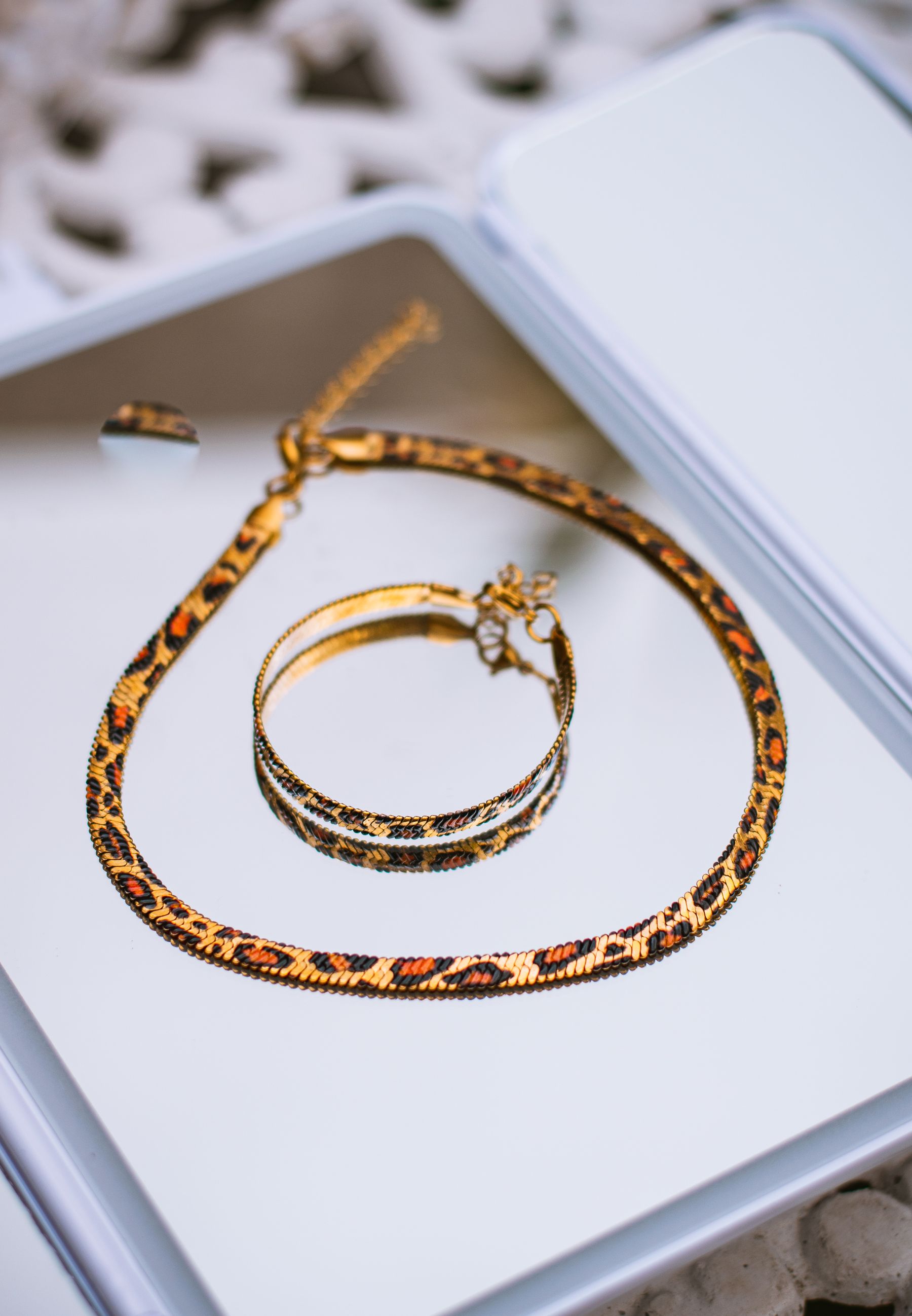
A truly successful jewelry collection is not defined by how many pieces sit inside a jewelry box. It is defined by how effectively those pieces work with real life. The strongest collections combine versatility, personal expression, thoughtful proportions, practical comfort, and timeless design. Instead of accumulating accessories without a clear purpose, modern shoppers can create a carefully considered selection in which every necklace, pendant, pearl piece, chain, or statement accessory has a meaningful role.
The world of Jewelry & Accessories offers almost unlimited possibilities. That abundance is exciting, but it can also make selection difficult. Two necklaces may look similar at first glance while creating completely different styling results because of their length, thickness, finish, pendant size, or visual weight. Understanding these differences makes it easier to shop intentionally and build a collection that remains useful across seasons.
What Makes a Jewelry Collection Feel Timeless?
Timeless jewelry does not necessarily mean traditional jewelry. A timeless piece is one that can continue to work as personal style changes. Its design is sufficiently balanced that it does not depend entirely on one short-lived trend. It can move between different outfits, settings, and seasons without looking out of place.
This quality usually comes from proportion and restraint. A well-designed necklace does not need excessive decoration to remain interesting. The shape of the chain, the relationship between the pendant and the chain, the quality of the finish, and the overall scale can create sophistication without unnecessary complexity.
Timelessness also depends on versatility. A necklace that works with a shirt, knit sweater, dress, blazer, and casual top has more long-term styling potential than a piece designed for only one specific outfit.
Another important factor is personal compatibility. A theoretically classic piece may still feel wrong if its proportions do not suit the wearer's wardrobe. The best collections therefore combine broadly adaptable designs with pieces that express individual taste.
Start With Your Existing Wardrobe
Before purchasing new jewelry, examine the clothing you already wear. This simple step can reveal which accessories will actually receive regular use. Look at your most frequently worn necklines, colors, fabrics, and silhouettes. These details provide practical clues about which necklace lengths and designs will integrate naturally.
If your wardrobe contains many open necklines, shorter necklaces and delicate pendants may become particularly useful. If high-neck sweaters dominate your colder-season wardrobe, longer necklaces may create more visible contrast. If you frequently wear simple monochrome clothing, a distinctive necklace can become an effective focal point.
Color is equally important. People who wear many warm neutrals may naturally gravitate toward gold tones, while wardrobes dominated by black, white, gray, and cool blues may pair easily with silver finishes. These are not strict rules. They are simply ways of identifying combinations that already feel visually coherent.
Take note of the jewelry you already reach for repeatedly. Those pieces reveal useful information about your actual preferences rather than theoretical preferences. If you consistently choose fine chains, there may be little reason to purchase an oversized statement necklace unless you specifically want to expand your styling range.
Build Around a Few Strong Foundations
A well-organized jewelry collection benefits from foundational pieces. These are accessories that can be worn frequently and combined with other items. They do not necessarily need to be expensive or highly elaborate. Their value comes from reliability and versatility.
A foundational necklace should ideally work with several different outfits. It should also be comfortable enough for repeated wear. A beautiful necklace that constantly catches on clothing or feels too heavy may remain unused despite its appearance.
For many wardrobes, a classic gold design provides one useful foundation. A Classic Gold Necklace can provide warmth and visual continuity across casual, professional, and evening clothing.
A second foundation can introduce a contrasting metal. A Sterling Silver Necklace offers a cooler visual direction and can be particularly effective with crisp, contemporary, or monochromatic wardrobes.
Once these basic roles are established, additional pieces can focus on pendants, pearls, layering, statement details, or specialized occasions.
Understanding Proportion Before Choosing a Necklace
Proportion is one of the most overlooked elements in jewelry styling. People often evaluate necklaces according to whether they like the design itself, but the more useful question is whether the scale of the design works with the surrounding clothing.
A tiny pendant can disappear when worn over a thick sweater. A large pendant may overwhelm a delicate blouse. A heavy chain may create an intentionally bold appearance, while the same chain could look excessive when paired with another substantial necklace.
The relationship between the necklace and the neckline matters as well. The goal is not necessarily to create a perfect match but to establish enough visual separation for each element to remain recognizable.
When assessing proportion, consider three factors: chain thickness, pendant size, and distance from the neckline. If all three are visually strong, the necklace becomes a statement piece. If all three are delicate, the result is understated. Mixing levels can create more sophisticated layering.
The Role of the Minimalist Necklace
Minimalist jewelry has remained relevant because it solves a practical problem: it provides polish without demanding an elaborate outfit. A small pendant or refined chain can make basic clothing appear more complete while remaining subtle enough for repeated wear.
A Minimalist Pendant Necklace is especially versatile because its restrained design can work alone or become part of a layered combination.
Minimalism should not be confused with lack of character. Small geometric details, unusual proportions, delicate textures, or carefully selected shapes can give a simple necklace a recognizable identity.
Minimalist necklaces also have an advantage in professional environments. They can add a personal detail to formal clothing without becoming visually distracting. A small pendant beneath a blazer or over a simple blouse can create a polished finishing touch.
For everyday use, comfort becomes another advantage. Lightweight minimalist designs can often be worn for extended periods without creating the physical inconvenience associated with heavier statement pieces.
Creating Depth With Layered Necklaces
Layering allows a relatively small jewelry collection to create many different appearances. Instead of relying on one dramatic necklace, several simpler pieces can be arranged to create depth, movement, and contrast.
The key to successful layering is spacing. If necklaces occupy exactly the same area, they may become visually tangled. If there is too much distance between them, they may appear unrelated. The ideal arrangement usually contains clear separation while maintaining a coherent overall composition.
A practical starting point is two necklaces. Choose one shorter and lighter piece and combine it with a slightly longer necklace carrying more visual weight. Once this combination feels balanced, a third layer can be introduced if the neckline and outfit can support it.
A coordinated Layered Necklace Set can be useful for beginners because the pieces are designed with compatible proportions.
Layering does not require every piece to be made from exactly the same material. Mixed metals can create a deliberate contemporary effect when the differences are controlled. However, if the metals differ dramatically in color and finish, the rest of the outfit should usually remain relatively simple.
How Pearls Fit Into a Modern Jewelry Wardrobe
Pearls have a distinctive visual character because their soft reflective surface differs from polished metal. They can therefore introduce a new texture into a jewelry collection without requiring an elaborate design.
A Pearl Necklace can be styled traditionally, but it can also be integrated into modern casual wardrobes. Pairing pearls with clean tailoring, simple knitwear, denim, or minimal accessories can create an interesting contrast between classic material and contemporary clothing.
The scale of the pearls affects the overall impression. Smaller pearls can feel understated and delicate, while larger pearls create a stronger visual presence. Strand length and clasp design also influence whether a pearl necklace feels formal or versatile.
Because pearls have a distinctive appearance, they can also serve as an alternative to metallic necklaces when an outfit already contains enough shine. Their softer surface can make an accessory arrangement feel more balanced.
Neckline Compatibility: A Practical Guide
| Neckline | Potential Necklace Direction | Styling Objective |
|---|---|---|
| V-neck | Pendant or medium chain | Follow or complement the vertical shape |
| Crew neck | Short necklace or longer pendant | Create contrast against the neckline |
| High neck | Long pendant | Introduce vertical movement |
| Open neckline | Delicate chain, pendant, or layers | Use the open area as a visual frame |
| Collared shirt | Short chain or pendant beneath collar | Add polish without competing with the collar |
These guidelines should be treated as starting points rather than strict rules. Styling is influenced by fabric thickness, garment structure, body proportions, hairstyle, and the visual weight of other accessories.
Choosing Jewelry for Work and Professional Settings
Professional environments often reward accessories that appear deliberate without dominating the overall presentation. A refined necklace can contribute to a polished appearance, particularly when clothing is relatively simple.
For office wardrobes, medium-weight chains and restrained pendants tend to be flexible. They can work with blazers, shirts, knitwear, and dresses without requiring significant adjustments.
Minimal jewelry can also help maintain consistency. Wearing a familiar necklace regularly can become part of a recognizable personal style. This can be useful when building a professional wardrobe that emphasizes reliability and visual cohesion.
For formal meetings, consider whether the necklace competes with the neckline, collar, or other accessories. If earrings are prominent, a more understated necklace may create better balance.
Casual Jewelry Should Still Be Considered
Casual outfits provide excellent opportunities for jewelry because simple clothing creates a relatively clean background. A basic T-shirt, sweater, shirt, or denim outfit can become more distinctive with a carefully selected necklace.
The most useful casual jewelry is usually comfortable, durable, and easy to coordinate. Pieces that require constant adjustment may become frustrating during busy days.
Simple chains work particularly well with casual clothing because they add a small amount of visual detail without changing the relaxed character of the outfit.
Another strategy is contrast. Pairing an elegant necklace with relaxed clothing can create a more sophisticated appearance than matching formal jewelry exclusively with formal clothing.
Selecting Jewelry for Evening Styling
Evening outfits often provide more freedom to use stronger accessories. A larger pendant, distinctive chain, pearl design, or layered arrangement can become an intentional focal point.
However, more visual impact does not automatically mean better styling. The necklace should still work with the clothing. If the dress contains extensive embellishment, a quieter necklace may provide more balance. If the outfit is simple and monochromatic, a stronger necklace can introduce dimension.
Consider the entire accessory composition. Earrings, bracelets, rings, hairstyle, neckline, and necklace should not all demand equal attention. Creating one dominant element and allowing the others to support it usually produces a clearer result.
Mixed Metals: A Modern Styling Technique
Mixed-metal jewelry can expand the possibilities of a collection. Instead of requiring every accessory to match exactly, combining gold and silver can create visual contrast and connect different parts of a wardrobe.
The key is intentional repetition. If one necklace contains both metal tones, other accessories can echo one or both finishes. This creates a visual bridge that makes the combination feel deliberate.
Mixed-metal styling can also help when a wardrobe already contains jewelry collected over time. Rather than replacing older pieces simply because they use a different finish, combining them thoughtfully can create new combinations.
The technique is especially effective with layering because multiple necklaces naturally provide several opportunities to introduce subtle variations in color and finish.
What to Examine Before Buying
Photographs are useful, but they should not be the only source of information when purchasing jewelry online. Product dimensions can provide a much clearer understanding of scale.
Check the chain length, pendant measurements, material description, closure type, finish, and care instructions. If the product page provides multiple images, examine the necklace from different angles.
Consider whether the seller provides clear information about construction. Vague descriptions may make it difficult to compare products accurately. Transparent specifications allow shoppers to evaluate pieces according to practical characteristics rather than relying entirely on marketing language.
Brand consistency can also matter. Exploring different Jewelry & Accessories Brands can reveal differences in design philosophy, finishing, proportions, and product presentation.
Material Awareness and Long-Term Use
Material information is an important part of responsible jewelry selection. Different materials and finishes respond differently to moisture, friction, cosmetics, and environmental exposure.
Buyers should understand the terminology used in product descriptions and review care instructions before purchase. A piece that requires specialized care may still be an excellent choice, but it should be selected with realistic expectations.
Finish is another consideration. Highly polished surfaces can provide a bright reflective appearance, while brushed or textured finishes may create a more subtle look. Some finishes are also more forgiving of minor surface marks than others.
Construction details matter as well. The clasp should feel appropriate for the weight of the necklace, links should appear consistent, and pendants should connect securely to the chain.
Jewelry Care: Protecting the Pieces You Wear Most
Care begins with reducing unnecessary exposure. Cosmetics, perfumes, lotions, moisture, and household chemicals can affect some jewelry materials and finishes. Applying personal-care products before putting on jewelry is a simple way to reduce direct contact.
Storage is equally important. Necklaces should ideally be separated to reduce tangling and surface friction. Fine chains can become particularly difficult to untangle when stored together in a small space.
Use soft-lined compartments, pouches, or dedicated organizers when possible. For pieces worn frequently, an accessible storage system can also encourage proper care because it makes putting jewelry away correctly easier.
Cleaning should follow material-specific instructions. Avoid aggressive household cleaners unless the manufacturer explicitly states that they are suitable. When uncertain, a gentle approach is generally preferable to unnecessary experimentation.
Creating a Jewelry Storage System
An organized jewelry collection is easier to maintain and easier to style. Storage should make individual pieces visible without forcing them into a crowded compartment.
Short necklaces can be stored in separate sections, while longer pieces may benefit from hanging storage. Layering pieces should be kept accessible because they are often used in combinations rather than individually.
If you own multiple metal tones, organizing them by type can speed up outfit selection. Another approach is to organize by frequency of use, keeping everyday pieces in the easiest-to-reach locations.
Organization also protects against unnecessary purchases. When all pieces are visible, it becomes easier to recognize what the collection already contains.
How to Avoid Duplicate Purchases
Duplicate purchases often happen because shoppers remember a piece visually but forget its exact dimensions or role within the collection. A simple inventory can prevent this.
Record the type of necklace, metal tone, approximate length, pendant style, and frequency of use. This does not need to be complicated. Even a small digital note can reveal patterns.
When considering a new purchase, ask what it contributes. Does it provide a new length? A different metal? A new texture? A stronger statement option? A formal alternative? A layering piece?
If the answer is no, the purchase may not significantly expand the collection. If the answer is yes, the piece has a clearer functional reason for being added.
Jewelry as a Tool for Personal Expression
Jewelry communicates style through small details. A delicate pendant can suggest restraint, while a bold chain can create a more assertive visual presence. Pearls can introduce softness, geometric designs can create structure, and layered pieces can add complexity.
The important point is that personal expression does not require excessive quantity. A few carefully selected accessories can communicate a consistent style more effectively than a large assortment with no visual relationship.
Over time, many people discover recurring preferences. Some gravitate toward simple shapes, others prefer texture, while some enjoy combining different metals. These patterns can guide future purchases and create a more coherent collection.
The Value of a Signature Necklace
A signature necklace is a piece that becomes strongly associated with an individual's everyday style. It does not need to be dramatic. In fact, a simple design may be more effective because it can be worn consistently.
The ideal signature piece is comfortable, adaptable, visually recognizable, and easy to combine with other accessories. It may be a classic chain, a subtle pendant, or a design with a small distinctive detail.
Because it is worn frequently, care becomes particularly important. Regular inspection of the clasp and chain can help identify maintenance needs before the piece becomes inconvenient to wear.
Shopping With a Long-Term Perspective
Long-term jewelry shopping means considering future use rather than only immediate excitement. Ask whether the design can work with clothing you already own and whether it can adapt as your style evolves.
A versatile necklace may initially appear less dramatic than a highly distinctive trend-driven piece, but its ability to work across many situations can make it more useful over time.
This does not mean avoiding expressive jewelry. Statement pieces have an important role. The objective is simply to understand the role before purchasing it.
Foundational jewelry can provide everyday consistency, while expressive accessories can introduce variety. Together, these categories create a collection that feels both stable and dynamic.
A Practical Jewelry Collection Blueprint
| Collection Role | Suggested Characteristics | Primary Purpose |
|---|---|---|
| Everyday Foundation | Simple, comfortable, versatile | Frequent daily wear |
| Metal Contrast | Different finish or tone | Expand outfit combinations |
| Pendant | Distinctive but balanced | Add personality |
| Layering Piece | Fine chain or varied length | Create depth |
| Classic Accent | Pearl or refined design | Formal and elevated styling |
| Statement Piece | Higher visual weight | Create a focal point |
How to Style One Necklace in Multiple Ways
Versatility becomes especially valuable when the same necklace can create different effects. Start by wearing the piece alone with a simple neckline. Next, try it with a contrasting neckline to see how the visual relationship changes.
Then experiment with layering. Add a shorter chain or a longer pendant and observe whether the original necklace remains visually distinct. Finally, try the necklace with different accessory finishes. Small changes elsewhere can completely alter the overall effect.
This process demonstrates why a versatile necklace can be more useful than a highly specialized piece. Styling possibilities increase when the design interacts successfully with different clothing and accessories.
Designing a Collection Around Seasons
Jewelry does not need to be completely replaced with each season. Instead, the same collection can be adjusted according to clothing weight and neckline.
During warmer months, open necklines may make shorter necklaces and delicate layers more visible. During colder seasons, sweaters and high-neck clothing may provide a better setting for longer pendants.
Seasonal styling can also involve texture. Smooth polished jewelry can provide contrast against heavy knitwear, while delicate pieces may work particularly well with lighter fabrics.
The collection remains essentially the same, but the way individual pieces are combined changes with the clothing around them.
The Importance of Comfort
Comfort is sometimes overlooked because jewelry is primarily evaluated visually. Yet comfort strongly influences frequency of wear.
Consider weight, chain movement, clasp design, pendant size, and whether the necklace interacts comfortably with hair and clothing. A necklace that looks excellent but creates repeated physical inconvenience may not become a practical part of the wardrobe.
For everyday pieces, comfort should be treated as a design requirement rather than an optional benefit.
Professional Shopping Checklist
- Check the exact necklace length.
- Review the pendant dimensions.
- Confirm the material and finish information.
- Consider whether the piece works with your most common necklines.
- Think about at least three outfits you could wear with it.
- Check whether the necklace can be layered.
- Consider its weight and everyday comfort.
- Review cleaning and storage requirements.
- Compare the piece with jewelry you already own.
- Decide whether it fills a genuine gap in the collection.
- Inspect clasp and construction details when available.
- Consider whether the design can remain useful beyond one trend cycle.
Frequently Asked Questions
1. What should be the first piece in a jewelry collection?
A versatile everyday necklace is a practical starting point because it can be worn frequently and combined with many outfits.
Exploring Jewelry & Accessories options can help identify the appropriate foundation.
2. Why are gold necklaces considered versatile?
Gold tones can complement many warm and neutral colors and can transition between casual, professional, and evening styling.
A Classic Gold Necklace can therefore serve several roles.
3. When should someone choose silver jewelry?
Silver can be useful when a wardrobe contains cool colors or when the desired effect is crisp, clean, and contemporary.
A Sterling Silver Necklace can provide a flexible cool-toned foundation.
4. What makes minimalist jewelry useful?
Minimalist designs are generally easy to combine with different clothing styles and can often be worn repeatedly without overwhelming an outfit.
A Minimalist Pendant Necklace can work alone or as part of a layered arrangement.
5. How many necklaces should be layered together?
There is no fixed number. Two necklaces are often an easy starting point, while three can create more depth when their lengths and visual weights are clearly separated.
A coordinated Layered Necklace Set can simplify the process.
6. Can pearls be worn with casual clothes?
Yes. Pearls can create an appealing contrast when paired with relaxed clothing, simple knitwear, denim, or contemporary tailoring.
A Pearl Necklace can therefore serve both classic and modern styling purposes.
7. How can I compare different jewelry brands?
Review materials, dimensions, construction, finish, care information, and design consistency rather than relying exclusively on promotional photography.
Comparing Jewelry & Accessories Brands can help clarify differences in design direction.
8. What is a practical necklace for daily wear?
A comfortable necklace with moderate visual weight and a versatile design is generally suitable for frequent use.
A broad selection of Jewelry & Accessories can be evaluated according to these practical criteria.
9. Can a gold necklace work with modern clothing?
Yes. Simple gold designs can work effectively with contemporary tailoring, minimalist clothing, denim, knitwear, and modern dresses.
The proportions of a Classic Gold Necklace can influence whether the final look feels subtle or more prominent.
10. How should silver necklaces be maintained?
Follow the manufacturer's care guidance, reduce unnecessary exposure to moisture and chemicals, and store pieces separately when possible.
Proper storage is especially useful for a Sterling Silver Necklace.
11. Are minimalist pendants suitable for formal occasions?
They can be. A carefully proportioned pendant can provide an elegant detail without competing with formal clothing.
A refined Minimalist Pendant Necklace can be styled with dresses, tailoring, and evening separates.
12. What is the benefit of a coordinated necklace set?
Coordinated sets can make layering easier because the individual pieces are designed with compatible proportions and complementary styling.
A Layered Necklace Set can also offer flexibility when each piece is worn separately.
Developing a Consistent Personal Jewelry Language
A jewelry collection becomes more sophisticated when its pieces share subtle relationships. These relationships might involve metal color, geometric shapes, chain thickness, textures, or overall simplicity.
This does not mean everything should match. In fact, excessive matching can make a collection feel rigid. The objective is to create enough consistency that different pieces can coexist naturally.
For example, someone might prefer clean geometric forms but use both gold and silver. Another person might favor organic shapes while mixing delicate chains and pearls. These preferences become a personal jewelry language.
Once that language becomes clear, shopping becomes easier because new purchases can be evaluated according to whether they contribute to the established style.
How Jewelry Can Refresh Familiar Clothing
One of the greatest practical advantages of accessories is their ability to change familiar clothing without requiring an entirely new wardrobe.
A basic shirt can look different with a short chain, a pendant, or a layered combination. The clothing remains the same, but the focal point changes. This makes jewelry particularly valuable for capsule wardrobes and people who prefer to purchase fewer clothing pieces.
Changing metal tones can also change the mood of the same outfit. Gold may introduce warmth, while silver can make the same colors appear cleaner and cooler.
Pearls create another dimension because their surface reflects light differently from polished metal. This makes them useful when an outfit needs softness rather than additional shine.
The Importance of Restraint
Good styling is not always about adding more. Sometimes the strongest result comes from removing one accessory and allowing another to become more visible.
If a necklace is highly detailed, simpler earrings may provide better balance. If several necklaces are layered, rings and bracelets may need to be more restrained. If the clothing contains a strong pattern, a simple necklace can prevent the overall appearance from becoming crowded.
Restraint is particularly important when working with statement pieces. The purpose of a statement necklace is to attract attention, so surrounding it with equally strong accessories can reduce its effectiveness.
Maintaining Jewelry During Travel
Travel creates additional challenges for jewelry because pieces are exposed to movement, limited storage space, and increased risk of tangling.
Use individual pouches or compartments whenever possible. Long chains should be secured so they do not move freely inside luggage. Avoid placing heavy objects on top of jewelry cases.
For delicate pieces, carrying only the jewelry that is genuinely needed can reduce risk. A compact selection of versatile necklaces can often provide enough variety without transporting the entire collection.
Travel is also a good reason to prioritize multifunctional pieces. One necklace that works with several outfits may be more practical than several specialized accessories.
Building a Collection With Purpose
Every jewelry purchase can have a purpose. Some pieces provide everyday functionality. Others introduce a new metal, create layering possibilities, add formal elegance, or express a specific aspect of personal style.
Thinking in terms of purpose helps prevent a collection from becoming repetitive. It also makes the purchasing process more deliberate.
Instead of asking only whether a necklace looks attractive, ask what it will do for the wardrobe. If it can create several new combinations, it has a clear practical role.
If it duplicates an existing piece almost exactly, it may not add significant versatility. The distinction is subtle but important for anyone trying to build a streamlined collection.
A Long-Term Approach to Jewelry Style
Personal style changes gradually. Clothing trends evolve, lifestyles change, and preferences become clearer through experience. Jewelry can remain useful during these changes when the collection is based on adaptable pieces rather than rigid trends.
The most durable collections usually contain a mixture of foundational designs and expressive accents. Foundations provide consistency. Accents create freshness.
Over time, pieces that are rarely worn can be evaluated and either restyled, combined differently, stored separately for special occasions, or removed from the active rotation.
This process keeps the collection relevant without requiring constant replacement.
Final Styling Principles to Remember
Start with proportion. A necklace should have a visual relationship with the neckline, fabric, and overall outfit.
Think about versatility. Pieces that work across several situations generally provide more opportunities for repeated wear.
Use contrast intentionally. Different lengths, textures, metals, and pendant sizes can create depth when balanced correctly.
Keep comfort in the equation. Jewelry that feels good is more likely to become part of everyday life.
Protect the collection through proper storage and care. Good maintenance preserves both appearance and usability.
Finally, let personal style guide the collection. Trends can inspire experimentation, but a thoughtfully chosen jewelry wardrobe should ultimately reflect the person wearing it.
A refined collection does not happen by accident. It develops through observation, experimentation, and careful selection. When each piece has a clear role, the entire collection becomes easier to wear, easier to organize, and more useful across different occasions.
The result is a jewelry wardrobe that feels intentional rather than excessive: a collection in which classic pieces provide stability, minimalist designs offer everyday flexibility, layered necklaces create dimension, pearls introduce timeless texture, and distinctive accents give the wardrobe personality.
That balance is what makes jewelry genuinely valuable as a styling tool. The right necklace does not simply decorate an outfit. It can establish proportion, guide attention, introduce contrast, and transform familiar clothing into something that feels considered and complete.


Comments
Post a Comment