The Professional Guide to Modern Facial Cleansing: Comparing Textures, Formats, Packaging and Smart Beauty Shopping
- Building a More Professional Facial Cleansing Category Strategy
- Understanding Modern Consumer Product Discovery
- Product Specifications, Functions and Features
- Facial Cleanser as the Central Product Category
- The Professional Perspective on Foaming Facial Cleanser
- Why Gel Facial Cleanser Deserves Its Own Category
- Understanding Cream Facial Cleanser
- The Product Structure of Oil Facial Cleanser
- Micellar Water as a Distinct Liquid Format
- How Texture Influences Product Selection
- Evaluating Formula and Product Information
- Packaging, Dispensing and Storage
- Why Product Quantity Matters
- Creating a Structured Cleansing Routine
- Organizing Products for Morning Use
- Organizing Products for Evening Use
- Choosing Products for Travel and Portable Use
- A Professional Product Comparison Framework
- Smarter Online Beauty Shopping
- Common Product Selection Mistakes
- Building an Organized Beauty Collection
- The Future of Digital Beauty Product Discovery
- Frequently Asked Questions
- SEO Information
Building a More Professional Facial Cleansing Category Strategy

A professional beauty catalog should make product discovery simple without making the shopping experience feel limited. This is especially important in facial cleansing, where shoppers can encounter a wide selection of textures, packaging formats, formulations and product sizes. A well-organized category structure allows consumers to move naturally from a broad product group toward a more specific choice.
The wider Beauty & Health category can function as the starting point for this journey. From there, consumers can move into facial cleansing and then narrow their search according to the format they prefer.
This structure is valuable because not every shopper begins with the same level of product knowledge. One person may already know exactly which texture is preferred, while another may only know that a facial cleanser is required. The catalog should support both types of visitors.
A professional category structure therefore has several layers. The first layer creates broad discovery. The second layer introduces specialized product types. The third layer presents individual products and their specifications. The fourth layer supports comparison and purchase decisions.
This hierarchy also creates a natural relationship between educational content and commercial pages. An article can explain the difference between cleanser formats while allowing readers to move directly into the relevant product category.
The broader the category, the more useful it is for discovery. The more specific the category, the more useful it becomes for filtering and comparison.
This distinction is particularly valuable for large online catalogs. When hundreds or thousands of products are available, consumers need a logical way to reduce the number of options before reading individual product descriptions.
A strong category strategy does not simply place products into folders. It creates a shopping path that reflects how people naturally make decisions: identify the general need, choose a product type, compare relevant options and evaluate the details.
The result is a more organized digital experience in which category pages, product pages and informational content work together rather than existing as disconnected sections.
Understanding Modern Consumer Product Discovery
Online beauty shopping has changed the way consumers discover products. Instead of walking through a physical store and seeing a limited selection, shoppers can now compare many product formats from a single device.
That convenience also creates a new challenge: too many choices can make the purchasing process more complicated. A consumer searching for a cleanser may encounter foaming products, gels, creams, oils and liquid formats before even reaching individual product variations.
A useful catalog should therefore provide filters and categories that correspond to real product characteristics. Texture is one of the most effective examples because it provides an immediate way to divide a large collection.
Discovery Begins with a Broad Category
A shopper who is simply looking for beauty products may begin with the general Beauty & Health section. This stage is exploratory and allows the consumer to understand what types of products are available.
Discovery Becomes More Specific
Once the consumer identifies facial cleansing as the desired product group, the search becomes more focused. The shopper can then examine different cleanser formats rather than reviewing the entire beauty catalog.
Product Comparison Comes Last
After selecting a preferred format, individual products can be compared according to quantity, packaging, formula information, directions and other relevant specifications.
Broad Discovery
Explore the wider beauty category before narrowing the search.
Focused Filtering
Select facial cleansing and then choose a preferred product format.
Product Evaluation
Compare the individual products using consistent specifications.
This process helps turn a large catalog into a manageable selection. It also makes the content more useful because each stage answers a different question.
The broad category answers, “What products are available?” The specialized category answers, “Which product format interests me?” The product page answers, “What are the details of this particular product?”
This division of information is one of the foundations of professional e-commerce organization.
Product Specifications, Functions and Features
| Product Type | Typical Format | General Function | Common Packaging | Important Comparison Factors |
|---|---|---|---|---|
| Facial Cleanser | Multiple textures | General facial cleansing | Tube, bottle, pump | Formula, quantity, texture and directions |
| Foaming Facial Cleanser | Foam or lather | Foam-oriented cleansing format | Foam pump or bottle | Dispensing system, formula and size |
| Gel Facial Cleanser | Gel | Gel-format facial cleansing | Tube or pump bottle | Consistency, packaging and formula |
| Cream Facial Cleanser | Cream or lotion | Cream-format facial cleansing | Tube, bottle or jar | Texture, quantity and dispensing |
| Oil Facial Cleanser | Oil or balm-style | Oil-format cleansing | Bottle or pump | Consistency, closure and directions |
| Micellar Water | Liquid | Liquid cleansing format | Bottle | Formula, size and closure |
This table provides a category-level comparison rather than a universal description of every product. Products within the same category can differ considerably in their formulation, packaging, quantity and directions.
That distinction is essential for professional shopping. A category helps consumers discover relevant products, but the individual product page should always be used for final details.
A shopper comparing two gel products, for example, should not assume that both products have identical formulas simply because they share the same category. The same principle applies to foam, cream, oil and liquid formats.
A professional catalog should therefore combine simple category labels with detailed product information.
Facial Cleanser as the Central Product Category

The Facial Cleanser category is an important central point for shoppers who know they want a cleansing product but have not yet decided which format they prefer.
This broad category provides room for exploration. Instead of forcing consumers to choose a texture before they understand the available options, it allows them to see the wider range of facial cleansing formats.
This is particularly useful for new shoppers. Someone unfamiliar with skincare terminology may recognize the phrase “facial cleanser” but may not immediately understand the practical difference between a gel, cream, foam, oil or liquid product.
A strong category page can therefore function as a bridge between general product discovery and specialized shopping.
Broad Product Visibility
The category gives consumers a wider overview of facial cleansing products.
Specialized Navigation
Consumers can then move into a specific format once a preferred texture has been identified.
Detailed Product Research
Individual products can finally be evaluated using the specifications provided by the manufacturer or retailer.
This three-stage model creates a logical shopping journey without forcing every customer into the same path.
Experienced shoppers can move directly toward a specialized format, while new shoppers can remain within the broader category until they have enough information to make a more specific choice.
The Professional Perspective on Foaming Facial Cleanser

The Foaming Facial Cleanser category is centered on products associated with a foam or lather-oriented format.
Foaming products can use different dispensing systems. Some containers are designed to release foam directly, while others may dispense a liquid or gel that produces lather during use.
This is an important distinction when shopping online because a category name provides only the broad product identity. The individual product description should provide the exact dispensing and usage information.
Foam as a Product Characteristic
Foam is primarily a texture and dispensing characteristic. It should not automatically be treated as a measurement of product quality.
Packaging and Dispensing
A dedicated foam pump can provide a ready-to-use foam format. Other products may use conventional packaging and rely on the user's application method to create lather.
Product Comparison
When comparing several foaming products, consumers can examine package size, dispensing system, formula information, directions and overall product positioning.
Do not compare foaming products only by appearance. Review the product format, package quantity, dispensing mechanism and individual product information.
This method provides a more complete view of the product and helps consumers understand what they are actually purchasing.
For online catalogs, a dedicated foaming category also improves navigation because shoppers who already know that foam is their preferred format can immediately narrow the selection.
Why Gel Facial Cleanser Deserves Its Own Category
The Gel Facial Cleanser category provides a focused destination for shoppers who prefer gel-style textures.
The word gel describes the physical format rather than a single universal formulation. Different gel cleansers can have different consistencies, ingredients, packaging designs and product instructions.
This makes the category useful for filtering, while individual product information remains necessary for detailed comparison.
Tube-Based Gel Products
Tubes can be compact and convenient for storage. They can also allow consumers to control the amount dispensed.
Pump-Based Gel Products
Pump containers can provide convenient dispensing for products used regularly in a fixed location.
Consistency Matters
Gel products can vary from lightweight to thicker textures. The product description should therefore be consulted for specific details.
The professional approach is to treat “gel” as the first filter, not the final purchasing decision.
Once the shopper has reached the gel category, the next step is to compare the available products using quantity, formula information, packaging and directions.
This approach makes product discovery faster while preserving the detailed evaluation required for an informed purchase.
Understanding Cream Facial Cleanser

The Cream Facial Cleanser category is intended for shoppers interested in cream or lotion-style cleansing products.
Cream textures can vary considerably. Some products may be lightweight, while others may be richer or denser. Therefore, the category label should be used as a general classification rather than as a guarantee that every product will feel identical.
Tube Packaging
Tube packaging is compact and can be practical for storage and travel.
Bottle Packaging
Bottle packaging may be convenient for products used frequently in a fixed location.
Jar Packaging
Some thicker formulas may use jars. The consumer should consider the opening, storage and dispensing method when evaluating this format.
The most useful comparison process considers texture, formula information, quantity and packaging together.
This prevents the shopper from assuming that every cream cleanser offers the same experience.
For a large online catalog, a dedicated cream cleanser category also gives consumers a direct route to products matching their preferred texture.
The Product Structure of Oil Facial Cleanser

The Oil Facial Cleanser category represents cleansing products built around an oil-style texture or formulation.
Oil-format products can differ in consistency, from lighter liquid oils to richer textures that may resemble balms. This variation makes individual product information especially important.
Oil Texture
Texture is the most immediate category characteristic. Shoppers who prefer oil-based formats can use this category as a quick filter.
Dispensing Systems
Pump bottles are common for liquid-format products, although packaging varies between products.
Closure and Storage
Because oils are usually liquid or semi-liquid, closure design can be an important practical consideration.
Consumers should review the specific directions supplied with each product rather than assuming that all oil cleansers are used in precisely the same way.
This category demonstrates why product type and product specification should remain separate concepts. The category tells shoppers what kind of product they are viewing, while the product page tells them what makes that particular item different.
Micellar Water as a Distinct Liquid Format
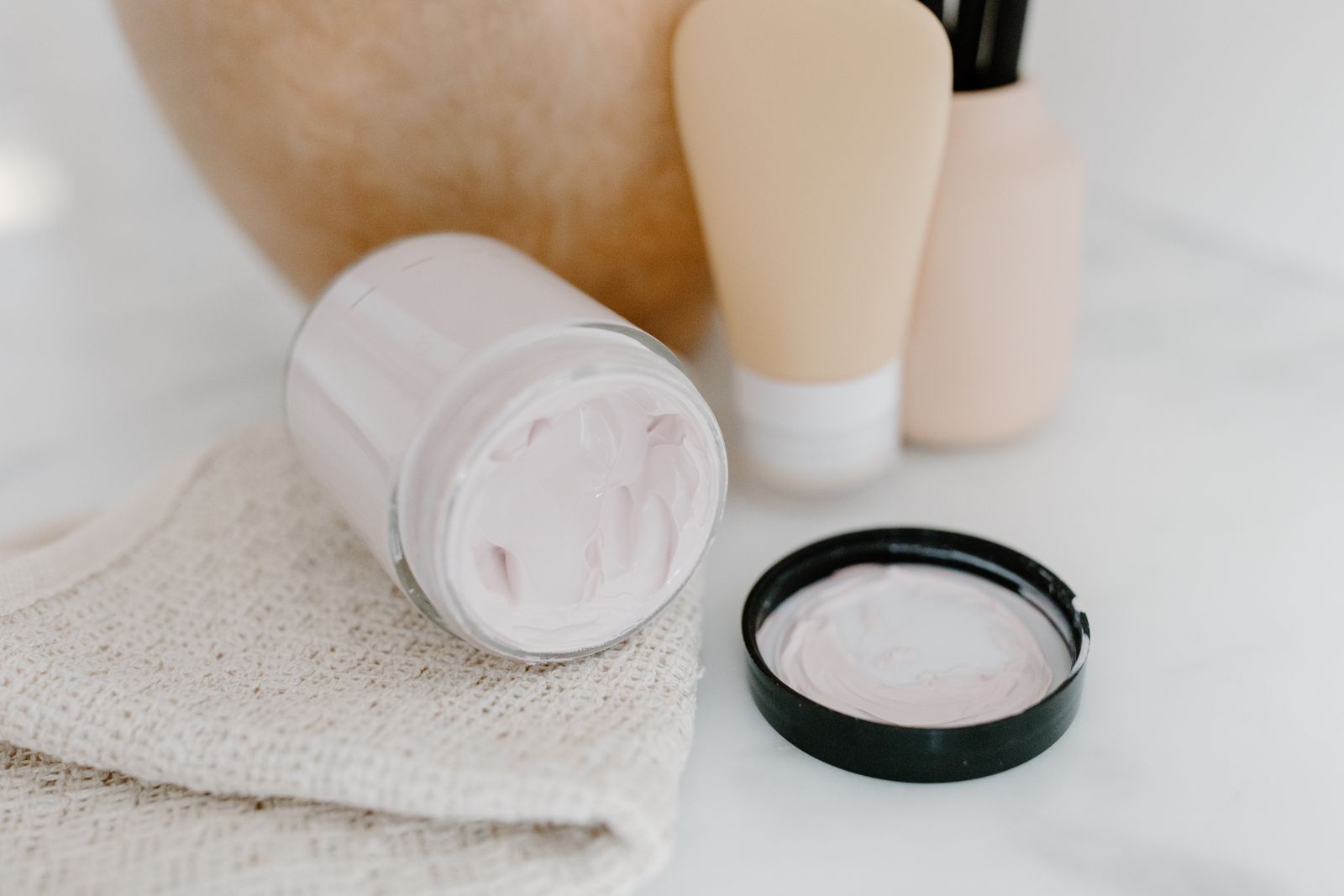
Micellar Water provides a recognizable liquid format within the facial cleansing category.
Its liquid appearance makes it visually distinct from foam, gel, cream and oil products. This can make category discovery straightforward for shoppers who already know which type of product they want.
However, visual appearance alone should not determine a purchase. Consumers should examine the specific product information, including formula details, package size, closure and directions.
Liquid Packaging
Bottle packaging is commonly associated with liquid products and can vary considerably in shape and dispensing design.
Size Selection
Different package quantities can serve different shopping situations. Smaller containers may be convenient for travel, while larger packages may be suitable for regular home use.
Product Directions
The individual product instructions should always be followed because different formulas can have different recommended applications.
Micellar Water demonstrates the value of having a specialized category. Consumers who already know they want a liquid format can move directly toward relevant products instead of browsing every cleanser available.
How Texture Influences Product Selection

Texture is one of the most effective ways to organize facial cleansing products because it is immediately relevant to the physical product experience.
Consumers often have a clear preference for certain textures even when they do not know the technical details of every formula. A shopper may prefer a gel texture, while another may specifically look for a cream or liquid format.
This makes texture a powerful product-discovery filter.
- Foaming formats
- Gel formats
- Cream and lotion formats
- Oil and balm-style formats
- Liquid formats
Texture can also influence packaging. A liquid product may require a secure bottle closure, while a thicker cream may be more naturally suited to a tube or jar.
This connection between texture and packaging gives shoppers another useful comparison point.
A professional online store can therefore organize cleanser products by texture while still presenting the technical details of each individual item.
The result is a cleaner shopping journey and a more logical relationship between category pages and product pages.
Evaluating Formula and Product Information
Product formula information is an essential part of professional beauty shopping. A category name can explain what type of product a shopper is viewing, but it cannot fully describe the formulation of every individual product.
Consumers should therefore examine the available information for each product before making a final purchase decision.
Read the Product Description
The description can provide information about the product format, texture and intended use.
Review Ingredient Information
Ingredient information can help shoppers understand the formulation presented for a specific product.
Follow the Directions
Usage directions are part of the product specification and should be followed according to the manufacturer's instructions.
Compare Similar Products
Comparison becomes more useful when products share a similar purpose and format.
Use the category to discover the right type of product and use the individual product information to understand the exact item.
This distinction is particularly important for consumers who compare several products within one category.
Two products may both be classified as gel cleansers while having different formulas, packaging and quantities. The same principle applies to cream, oil, foam and liquid products.
A strong shopping process therefore combines category-level organization with product-level research.
Packaging, Dispensing and Storage
Packaging plays a practical role in the beauty shopping experience. It affects storage, dispensing, transportation and the overall convenience of using a product.
Pump Bottles
Pump bottles can be convenient for products used frequently. They allow quick dispensing and can reduce the need to repeatedly open and close a container.
Foam Pumps
Foam pumps are designed for products that are dispensed as foam and can create a distinct product experience.
Tubes
Tubes are compact and can work particularly well for gel and cream-style products.
Flip-Top Bottles
Flip-top containers provide another practical dispensing option for many liquid and gel products.
Jars
Jars may be used for thicker products. Their design should be evaluated alongside the product's storage requirements.
Packaging is particularly important when products are purchased online because consumers cannot physically test the container before purchasing.
High-quality product pages should therefore include clear packaging information and, where possible, multiple photographs showing the container from useful angles.
A professional shopping decision considers both the product inside the container and the practical characteristics of the container itself.
Why Product Quantity Matters
Quantity is often overlooked when shoppers compare beauty products. A product's price alone does not tell the complete story.
Two products can have similar prices while containing different quantities. Conversely, a larger package may not automatically provide better practical value if the product is rarely used.
A professional comparison should therefore consider price and quantity together.
| Comparison Area | Professional Question |
|---|---|
| Price | What is the total purchase cost? |
| Quantity | How much product is included? |
| Format | Does the texture match the preferred type? |
| Packaging | Is the container practical for the intended use? |
| Formula | What product information is available? |
| Directions | Are the usage instructions clear? |
This framework can make comparisons more meaningful and reduce the temptation to select a product simply because its package looks larger or its promotional price appears attractive.
Quantity should always be considered in the context of the consumer's actual needs and purchasing habits.
Creating a Structured Cleansing Routine
A professional beauty routine does not need to contain a large number of products. It should instead have a clear structure in which each product has a recognizable role.
- Identify the purpose of the cleanser.
- Select a preferred product format.
- Review the individual product information.
- Check the package quantity.
- Consider the dispensing system.
- Read the manufacturer's directions.
- Review existing products before purchasing another cleanser.
This approach makes it easier to avoid unnecessary duplication. A shopper may discover several attractive products online, but the most useful question is whether each product adds a distinct role to the existing collection.
Organize by Frequency
Frequently used products should be stored where they are easy to access.
Organize by Format
Consumers who own several cleanser types can organize them according to foam, gel, cream, oil and liquid formats.
Organize by Location
Products used at home can be stored separately from products prepared specifically for travel.
A structured collection also makes future purchasing easier because consumers can see which products are already available.
Organizing Products for Morning Use
Morning product organization benefits from simplicity and easy access. A cleanser that is frequently used should be stored in a convenient location.
Consumers can choose the product format that fits their established preferences and then follow the individual product directions.
Keep Everyday Products Accessible
Products used regularly should not be buried beneath items that are rarely used.
Choose Practical Containers
Pump bottles may be convenient for repeated use, while tubes can be useful where storage space is limited.
Keep the Routine Focused
A larger collection is not automatically a better collection. Each product should have a clear reason for being included.
This principle can also improve purchasing discipline. When consumers know exactly which product is used each morning, they are less likely to purchase unnecessary duplicates.
Organizing Products for Evening Use
Evening routines may involve different cleansing products depending on the consumer's preferences and daily activities.
Some consumers may prefer an oil format, while others may choose a gel, cream, foam or liquid product.
The important point is to understand the role of the individual product and follow its specific directions.
Choose products according to their intended role rather than adding items simply because they are popular or visually attractive.
Review the Existing Collection
Regularly checking the existing products can help identify what is actually being used.
Reduce Duplication
If several products perform essentially the same role, the consumer can decide whether every product is necessary.
Plan Future Purchases
A clear understanding of the existing collection makes future shopping more focused.
This approach transforms product purchasing from random accumulation into organized category management.
Choosing Products for Travel and Portable Use

Travel changes the practical requirements of beauty products. Size, weight, closure security and storage space become more important when a product must be transported.
Compact Packaging
Smaller containers can reduce the amount of space required inside a toiletry bag.
Secure Closures
A reliable closure can be an important practical feature during transportation.
Focused Selection
A small travel collection can make packing faster and more organized.
Tubes can be convenient because they are compact and relatively easy to store. Smaller bottles can also be useful where available.
Liquid products deserve particular attention because the container should be appropriate for transportation and storage.
Create a Dedicated Travel Set
Keeping travel-oriented products together can reduce preparation time before a trip.
Protect Dispensing Mechanisms
Pump bottles and other dispensing systems should be packed carefully to reduce accidental pressure or opening.
Travel requirements demonstrate that product selection should consider real-world usage rather than relying solely on product appearance.
A Professional Product Comparison Framework
A consistent comparison framework helps consumers evaluate several products without becoming distracted by unrelated marketing elements.
Function
Identify what role the product is intended to perform.
Texture
Determine whether the format matches the preferred product experience.
Formula
Review the formulation and ingredient information available for the product.
Quantity
Compare the amount of product included in each package.
Packaging
Consider dispensing, storage and portability.
Directions
Review the manufacturer's instructions for the specific product.
This framework can be applied to every cleanser category.
When comparing foaming products, the consumer can focus on dispensing, package size and product information. When comparing gels, consistency and packaging can become additional considerations.
Cream products can be compared through texture, package design and quantity. Oil products can be evaluated through consistency, container design and directions. Micellar Water can be compared according to liquid format, bottle size and product information.
The advantage of this system is consistency. Consumers do not need to invent a new comparison process every time they encounter a different cleanser.
Instead, the same professional framework can be applied across the entire category.
Smarter Online Beauty Shopping
Online beauty shopping becomes more efficient when consumers use categories strategically rather than browsing randomly.
The first step is to identify the broad product area. The next step is to narrow the search by product type or texture. The final step is to compare individual products using their detailed information.
Use Category Navigation
Categories reduce irrelevant products and create a more focused shopping journey.
Use Texture as a Search Filter
Texture is one of the most recognizable product characteristics and can quickly narrow a large collection.
Compare Product Specifications
Quantity, packaging, formula information and directions can help distinguish similar products.
Do Not Depend Only on Product Photography
Images are valuable for understanding packaging and appearance, but photographs cannot replace detailed product information.
A strong online shopping experience combines visual discovery with factual product specifications.
This is especially useful in beauty because packaging is often an important part of the consumer experience, while formula and directions provide the information required for deeper evaluation.
Professional shopping therefore uses both visual and textual information without allowing one to replace the other.
Common Product Selection Mistakes
Choosing Only by Packaging
Beautiful packaging can attract attention, but it cannot provide enough information to evaluate an entire cleanser.
Ignoring Quantity
Price comparisons can be misleading when package size is not considered.
Assuming One Texture Is Better for Everyone
Foam, gel, cream, oil and liquid formats represent different product structures. Individual preference and product information should guide selection.
Buying Multiple Similar Products
A new product should have a clear role before being added to an existing collection.
Ignoring Directions
The directions are part of the product specifications and should be reviewed carefully.
Following Every Trend
Trends can introduce new products, but they should not replace product research.
“What specific function will this product add to my existing collection?”
This question encourages consumers to think about practical value instead of purchasing products simply because they are currently receiving attention.
Building an Organized Beauty Collection

A balanced beauty collection should be organized around function rather than the number of products owned.
Consumers can begin with a broad beauty category, identify their cleansing requirements and then select the formats that fit their established preferences.
Different cleanser formats can coexist when each product has a clearly defined role.
Clear purpose + preferred format + useful product information + practical packaging + appropriate quantity.
Give Every Product a Purpose
Each product should have a recognizable role within the collection.
Reduce Unnecessary Duplication
Several products performing essentially the same role may add complexity without adding meaningful variety.
Organize by Frequency
Frequently used products should remain easy to access.
Separate Travel Products
Travel products can be stored separately so they are ready when needed.
This type of organization also makes future shopping more efficient. When consumers know exactly what they already own, they can search for new products based on genuine gaps rather than accidental duplication.
The Future of Digital Beauty Product Discovery
Digital beauty shopping is becoming increasingly dependent on product organization. As catalogs become larger, consumers need better ways to navigate information rather than simply receiving more product listings.
Facial cleansing is a strong example because the category naturally divides into several recognizable formats.
A consumer can begin with Beauty & Health, move toward facial cleansing and then select a preferred format. This creates a clear relationship between broad categories, specialized collections and individual products.
Better Category Architecture
Well-structured categories reduce unnecessary browsing and help consumers reach relevant products faster.
Better Product Information
Detailed product pages can provide the specifications required for final comparison.
Better Educational Content
Articles can explain product terminology and shopping methods, allowing consumers to understand the category before making a decision.
Better Contextual Navigation
Relevant links can connect educational information with specialized product collections.
This creates an online environment where content and commerce support one another naturally.
For consumers, the benefit is easier navigation. For beauty websites, the benefit is stronger topical organization and a clearer relationship between related pages.
The future of beauty discovery is therefore not simply about displaying more products. It is about presenting the right information in a structure that makes product comparison easier.
Facial cleansing demonstrates how this approach can work in practice: broad discovery leads to specialized categories, specialized categories lead to individual products, and individual products provide the information required for a final decision.
Frequently Asked Questions
What is a Facial Cleanser?
Facial Cleanser is a broad category containing facial cleansing products in different textures and formats.
What is a Foaming Facial Cleanser?
It is a cleanser format associated with foam or lather-oriented dispensing or application.
What is a Gel Facial Cleanser?
It is a facial cleanser presented in a gel-style physical consistency.
What is a Cream Facial Cleanser?
It is a facial cleansing product presented in a cream or lotion-style texture.
What is an Oil Facial Cleanser?
It is a facial cleansing format based around an oil-style texture or formulation.
What is Micellar Water?
Micellar Water is a liquid cleansing format available in different individual formulas and package sizes.
Why is texture important?
Texture is a useful product-selection filter because it describes the physical format and helps consumers narrow a large catalog.
How should a cleanser be compared?
Compare function, texture, formula information, quantity, packaging and directions.
Does more foam automatically mean a better product?
No. Foam is a product-format characteristic and should not be treated as a universal quality measurement.
Why does package size matter?
Different products can contain different quantities, so price should be considered alongside the amount of product included.
Does packaging affect convenience?
Yes. Pumps, tubes, bottles and jars can provide different dispensing, storage and transportation experiences.
Can different cleanser formats be part of one collection?
Yes, provided each product has a clear role and the individual product directions are followed.
Should popularity determine a purchase?
Popularity can assist discovery, but product specifications and individual preferences should also be considered.
Why should product directions be read?
Directions provide the manufacturer's instructions for using the specific product.
How can duplicate purchases be avoided?
Review the products already owned and identify the specific role a new product would add before purchasing it.
What is the professional approach to beauty shopping?
Start with the category, narrow the format, review the product specifications and compare similar products using consistent criteria.
Is gel cleanser the same as liquid cleanser?
No. Gel and liquid describe different physical formats, although individual products within each category can vary.
Why are specialized categories useful?
They allow shoppers to reach products matching a preferred format without browsing the entire beauty catalog.
SEO Information
Primary Keyword: Beauty & Health
Secondary Keywords: Facial Cleanser, Foaming Facial Cleanser, Gel Facial Cleanser, Cream Facial Cleanser, Oil Facial Cleanser, Micellar Water.
Related Keywords: facial cleansing, skincare products, beauty products, skincare routine, facial care, personal care, cleanser products, beauty shopping, cleansing products, skincare collection.
Long-Tail Keywords: professional facial cleanser guide, how to choose a facial cleanser, facial cleanser comparison, Foaming Facial Cleanser guide, Gel Facial Cleanser guide, Cream Facial Cleanser guide, Oil Facial Cleanser guide, Micellar Water guide, modern skincare shopping guide.
Meta Title: The Professional Guide to Modern Facial Cleansing
Meta Description: Compare facial cleanser formats including foaming, gel, cream, oil and micellar water while learning how to evaluate texture, packaging, quantity and product information.
Language: English
Direction: LTR
Format: Responsive HTML
Backlinks: 18 contextual backlinks distributed throughout the article, including keyword-based links and clickable image links.


Comments
Post a Comment